Custom Carbon Bike Build: What Matters Most
A great custom carbon bike build is not about adding the most expensive parts to a frameset. It is about creating a machine that feels fast in the exact way you ride - sharp under power, calm over rough pavement, stable on gravel, and efficient deep into a long day. That is where the difference lives.
For experienced riders, the appeal is obvious. Stock builds are convenient, but they are built around averages. Your riding is not average. Neither is your preferred cadence, tire pressure, route mix, fit history, or tolerance for aggressive geometry. A custom build lets you tune the details that decide whether a bike feels merely premium or completely right.
Why a custom carbon bike build makes sense
Carbon gives you more control over ride character than most materials can. Done properly, it allows a frame to be light, stiff in the right zones, and compliant where comfort matters. But the frame alone does not decide the outcome. The build kit determines how that performance reaches the road or trail.
That is why a custom carbon bike build matters most for riders who already know what they want more of. Maybe you want quicker acceleration without sacrificing all-day comfort. Maybe you need one bike for fast road miles, rough county roads, and long mixed-surface events. Maybe your current bike fits well enough, but not perfectly. Customization is how you close those gaps.
There is also a practical side. Premium bikes last longer in your rotation when the original choices are smarter. Correct gearing ages better than trendy gearing. Tire clearance is more valuable than chasing the narrowest silhouette. A wheelset that suits your terrain will improve every ride, not just the first parking-lot impression.
Start with the frame, not the parts
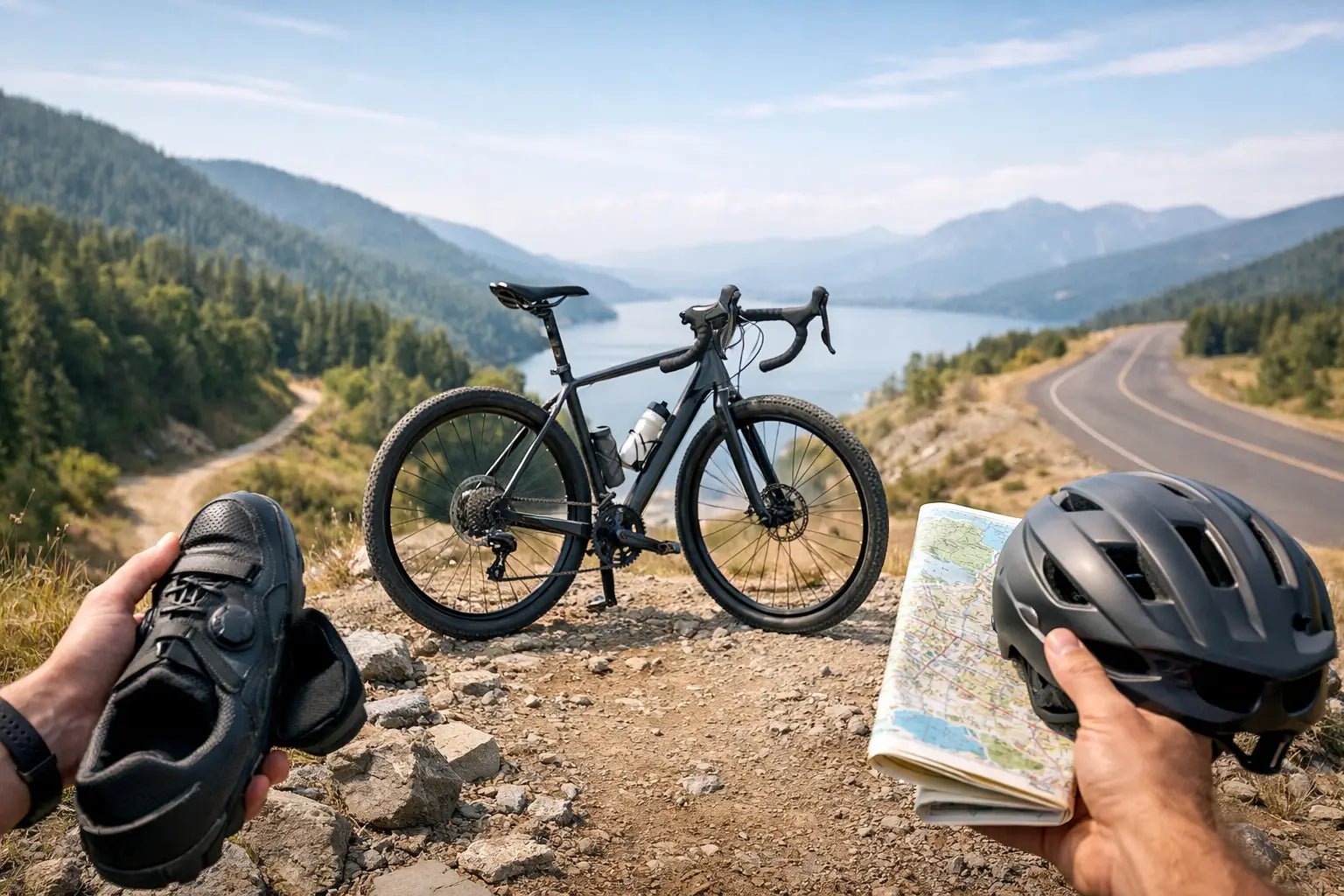
The best build starts with an honest read on where and how you ride. If your routes mix smooth asphalt, broken pavement, and dirt connectors, an allroad or gravel-capable carbon platform often makes more sense than a pure road race frame. Speed is still there, but the usable range is much wider.
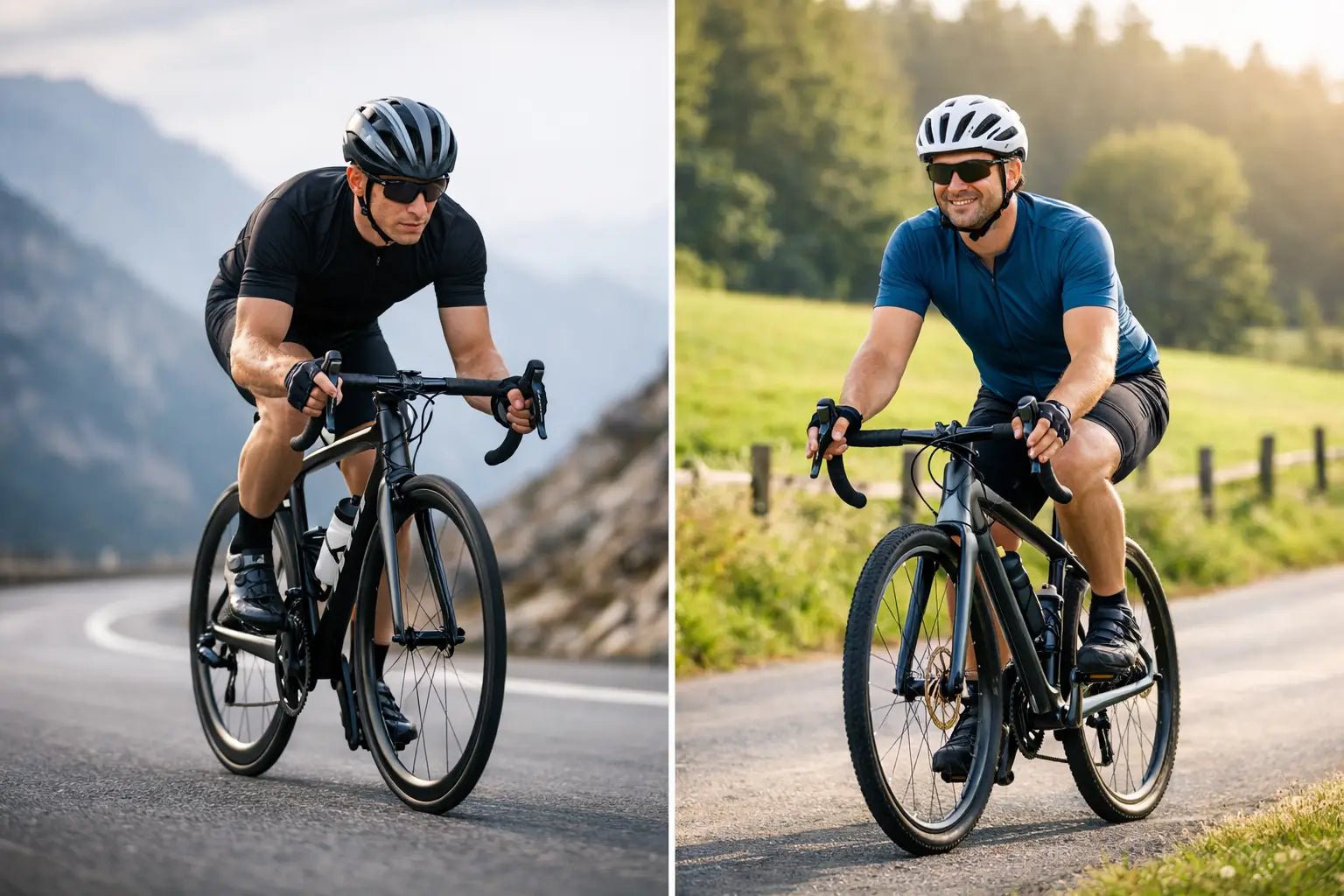
Geometry is the first decision that separates a dream build from an expensive mismatch. A lower, longer position can feel brilliant for strong, flexible riders chasing speed over shorter durations. It can also become punishing over five hours if your mobility or riding style points elsewhere. A slightly taller front end and more balanced handling may produce a faster real-world bike because you stay fresher and more confident.
Clearance is the next major factor. Wider tires have changed what performance feels like. More clearance gives you room to tune ride quality, traction, and surface range. Even if you spend most of your time on pavement, having space for larger tubeless tires can transform rough roads and endurance riding.
Mounting points and routing matter too, especially for riders who want range and flexibility. Extra bottle mounts, integrated lighting options, and clean internal routing are not marketing details when you ride long distances or leave the pavement regularly. They shape how complete the bike feels in actual use.
Fit should lead every major choice
Riders often obsess over component tiers before confirming the bike will support their position. That order is backward. If the fit is off, no crankset, wheelset, or cockpit upgrade will save the build.
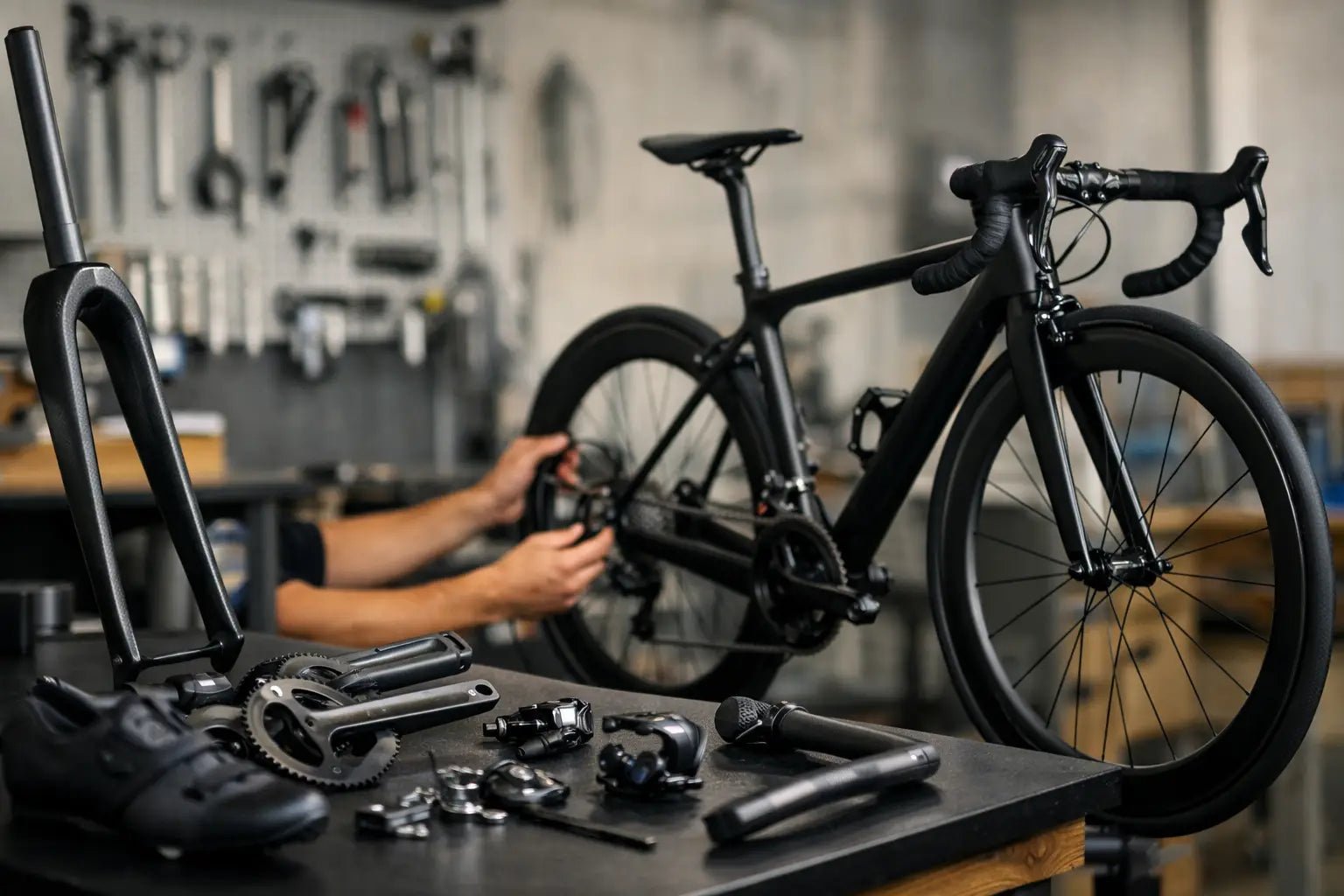
A custom bike gives you the chance to dial in stack, reach, crank length, stem length, bar width, saddle choice, and seatpost setup as one system. Those decisions affect comfort, breathing, power delivery, and handling. They also affect confidence, which is often the hidden performance metric.
This is where experienced support adds real value. A premium direct-to-rider brand with strong consultation can help translate your current bike, fit notes, and riding goals into better component decisions. That process is often more useful than walking into a showroom and choosing the build with the most recognizable logos.
Components are about balance, not bragging rights
Once the frame and fit direction are clear, the build should follow the riding brief. That means resisting the urge to overspend in one area while neglecting another.
Drivetrain choice is a good example. Electronic shifting is now the expected standard in this category because it is precise, reliable, and easy to live with. But the exact setup still depends on terrain and strength. A rider spending long days in rolling terrain may love a tighter cassette and closer gear steps. A rider taking on steep gravel or mountainous endurance routes will usually benefit more from lower gearing, even if it sacrifices a little top-end neatness.
One-by versus two-by is another real trade-off. A 1x setup looks clean, simplifies operation, and can be excellent for gravel-focused riding. A 2x drivetrain still gives many riders the best spread for mixed road and allroad use. There is no universal answer. The right answer is the one that fits your terrain and cadence habits.
Cockpit integration deserves the same measured approach. Fully integrated front ends look exceptional and reduce clutter, but they can limit adjustment and make future changes more involved. For riders with a settled fit, that trade may be worth it. For riders still refining position, a slightly more flexible setup may be the smarter premium choice.
Wheels define the personality of the bike
If one category changes the feel of a custom carbon bike build most dramatically, it is wheels. The wrong wheelset can make a refined frame feel nervous, harsh, or sluggish. The right one sharpens everything.
Depth, width, weight, and hub quality all matter, but context matters more. Deep carbon wheels can offer real aerodynamic gains and a striking ride feel on open roads. On rougher routes or in variable winds, a mid-depth wheel may be faster overall because it is easier to control and more versatile. For mixed-surface bikes, internal width and tire pairing are especially important. A modern rim designed around wider tubeless tires will improve support, grip, and stability.
This is also one of the easiest places to waste money. The lightest option is not always the fastest or the most durable. Premium riders should think in terms of ride character, not catalog hierarchy. If the bike needs to accelerate well, hold speed, and handle poor surfaces confidently, the best wheelset is usually the one that balances all three.
Tire choice is no longer an afterthought
Tires used to be the final checkbox. On a high-end carbon build, they are now a core performance decision. Width, casing, tread, and tubeless setup all influence speed, comfort, puncture resistance, and control.
For road and allroad riders, moving slightly wider often improves efficiency on real roads because it reduces vibration losses and increases confidence. On gravel or broken pavement, that benefit becomes even clearer. The trade-off is mostly visual and, at the extremes, aerodynamic. For most endurance-oriented riders, the gains in grip and reduced fatigue are worth far more.
Tubeless is the natural choice for a premium build intended to cover distance and varied terrain. Lower pressures improve traction and comfort, and puncture resistance is better in many real-world scenarios. It does require more setup attention, so it is ideal for riders who want maximum performance and are comfortable with a bit more system management.
The smartest builds leave room for the future
A bike should fit where you are now, but it should also keep pace with how you ride next season. That is why the most successful custom builds avoid decisions that are too narrow.
A frame with meaningful tire clearance gives you options. Thoughtful gearing keeps the bike relevant as your events or routes change. A versatile carbon platform can move between fast solo road days, endurance fondos, and adventurous mixed-surface riding without feeling compromised.
This is where a brand like Vega Cycling stands out. Premium carbon design matters, but so does helping riders build around the use case, not just the spec sheet. That support is what turns a nice bike into a bike you reach for every time.
What premium riders often get wrong
The most common mistake is chasing peak numbers instead of total performance. Riders fixate on frame weight, derailleur tier, or wheel depth while ignoring fit, tire volume, and gearing. Those overlooked choices often decide how fast and capable the bike really feels after two hours, not two minutes.
The second mistake is building too narrowly. A pure road setup may look perfect until the route turns rough. An overly aggressive fit may feel fast until fatigue sets in. A custom bike should expand what you can do, not box you into one idealized version of riding.
The best builds are ambitious, but they are also honest. They are designed around your power, your terrain, your flexibility, and your idea of speed. Get that part right, and carbon does what it does best - it disappears beneath you and leaves only the ride.
If you are planning a custom bike, think beyond parts and start with purpose. The right build is not the one that says the most. It is the one that keeps proving itself, mile after mile.