Are Carbon Bikes Faster Than Aluminum?
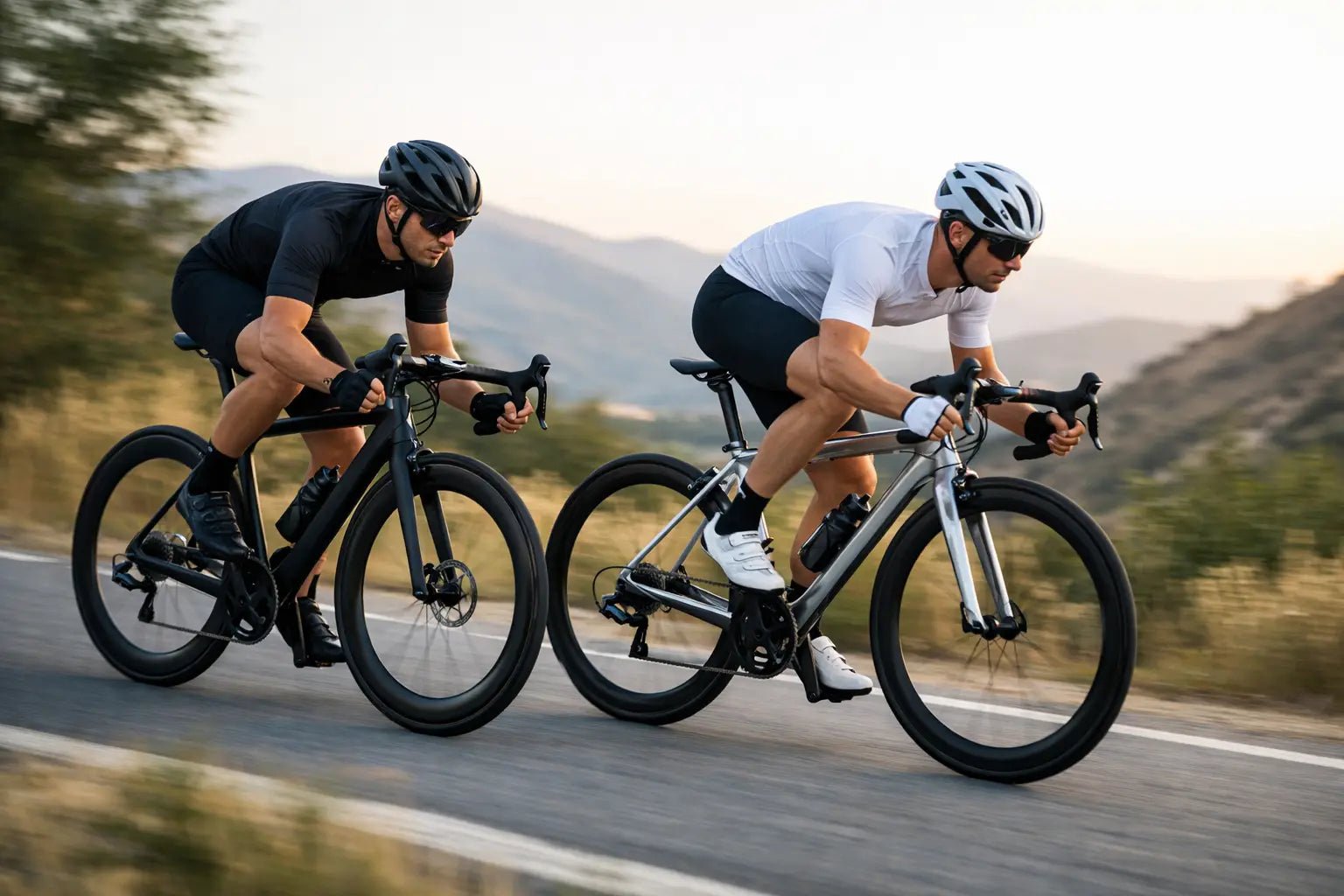
You feel it most when the pace lifts - a hard pull on rolling pavement, a headwind on open farm roads, a long mixed-surface ride where efficiency matters hour after hour. That is where the question shows up: are carbon bikes faster than aluminum? The short answer is yes, often they are. But the real answer is more precise. Carbon can be faster because it gives engineers more control over weight, stiffness, aerodynamics, and ride quality. Whether that turns into meaningful speed for your riding depends on the frame design, the build, and the terrain.
Are carbon bikes faster than aluminum in real-world riding?
If two bikes are built for the same category and price is ignored, carbon usually has the higher performance ceiling. A well-engineered carbon frame can be lighter without losing stiffness, more aerodynamic without becoming harsh, and more compliant where comfort matters. That combination helps riders hold speed with less wasted energy.
On the road, that often means quicker acceleration, sharper response under power, and less fatigue over long distances. On gravel and allroad terrain, the advantage can be even more noticeable. A carbon frame can be tuned to mute vibration while staying precise through the bottom bracket and front end. You do not just feel fresher - you stay more efficient when the surface gets rough.
That said, not every carbon bike is automatically faster than every aluminum bike. A race-focused aluminum frame with strong wheels and fast tires can outperform an entry-level carbon bike with a heavy build. Material matters, but design and spec matter just as much.
Why carbon has a performance advantage
Carbon fiber gives frame engineers a level of control aluminum cannot match. With aluminum, tube shapes and wall thickness do most of the work. With carbon, the frame can be tuned layer by layer. That changes how the bike behaves under pedaling load, braking force, cornering pressure, and road vibration.
The first advantage is weight. Carbon frames are often lighter than comparable aluminum frames, especially as performance demands increase. Less weight helps on climbs and during repeated accelerations. It is not only about total bike weight, either. A lighter frame can make the whole bike feel more responsive when you stand up and drive the pedals.
The second advantage is stiffness where it counts. A premium carbon bike can be very stiff around the bottom bracket and head tube, which helps translate rider input into forward motion and cleaner handling. At the same time, the seat stays, fork, and seat tube area can be designed for more vertical compliance. That is difficult to achieve with aluminum at the same level.
The third advantage is aerodynamics. Carbon is easier to shape into deeper, more refined tube profiles without excessive weight penalties. If speed is the goal, this matters. Once your rides move beyond casual pace, aero gains are often more meaningful than small differences in frame weight.
Where aluminum still makes sense
Aluminum remains a strong frame material for good reason. It is durable, relatively affordable, and capable of excellent performance. Modern aluminum bikes are far better than the harsh, basic frames many riders remember from years ago.
At lower and mid-range budgets, aluminum can deliver more value because more of the price can go into components and wheels. In some cases, that results in a faster complete bike than a cheaper carbon option. Better wheels, better tires, and a more refined drivetrain can change the ride more than frame material alone.
Aluminum also suits riders who want a hard-use bike for training, commuting, travel, or racing in rough conditions without stretching into premium pricing. For many riders, it is not a compromise. It is simply a different balance of priorities.
Speed is not just about the frame
When riders ask if carbon bikes are faster than aluminum, they are usually asking one of two things. Will I be faster on the clock, or will the bike feel faster under me? Those are related, but not identical.
A carbon frame often feels faster because it responds with more precision. It can surge forward more cleanly when you accelerate and track more confidently at speed. That sensation matters because it shapes how hard and how long you can ride.
But real speed comes from a system. Tires, wheels, fit, gearing, riding position, and total bike weight all play major roles. On many bikes, the fastest upgrade is not the frame material. It is the wheelset and tire setup. Fast tubeless tires at the right pressure can transform efficiency and control on both pavement and mixed terrain.
Fit matters just as much. A rider in a strong, sustainable position on aluminum will outperform a poorly fitted rider on carbon every time. If your goal is meaningful speed, the right geometry and cockpit setup are non-negotiable.
Are carbon bikes faster than aluminum on climbs?
Usually, yes - but not by magic. On steep climbs, lower system weight helps, especially if you are riding at a high level or on long elevation-heavy routes. A lighter carbon frame can save energy over time and improve responsiveness when pace changes.
Still, the difference is often smaller than riders expect. On a moderate climb, pacing, fitness, and wheel weight typically have more effect than frame material alone. If the carbon bike is only slightly lighter, the gain may be noticeable but not dramatic.
Where carbon tends to separate itself is over the course of a full ride. A frame that is both light and less fatiguing can leave more in your legs for the final climb, the final sprint, or the last rough sector.
Comfort can make a bike faster
This is where premium carbon earns its reputation. A frame that reduces road buzz and chatter can make you faster not because it feels soft, but because it helps you maintain power and control for longer. Less vibration reaching your hands, feet, and lower back means less cumulative fatigue.
For endurance road, gravel, and allroad riders, this is not a side benefit. It is part of speed. On rough pavement or mixed surfaces, a bike that lets you stay seated, keep traction, and preserve momentum is the faster bike.
That is one reason riders moving into performance carbon platforms often notice a bigger difference on longer rides than on short test loops. The advantage builds with distance.
The role of frame quality
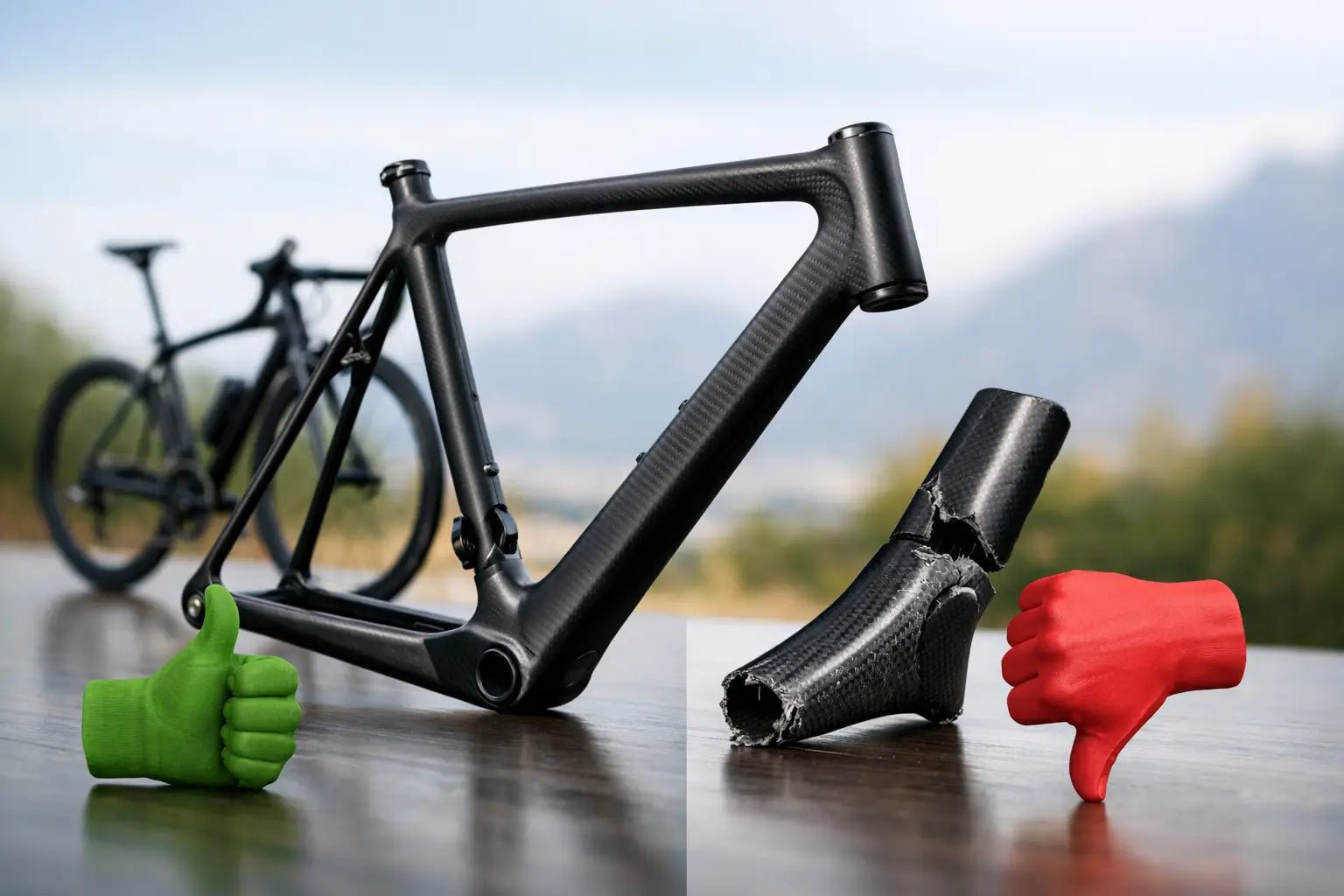
Not all carbon is equal, and not all aluminum is equal. A premium carbon frame designed around performance targets is very different from a budget carbon frame built mainly to hit a price point. Layup quality, tube shaping, junction design, and manufacturing precision all matter.
The same is true for aluminum. A high-quality aluminum frame with smart hydroforming and race-oriented geometry can be quick, lively, and rewarding. Material choice tells you something, but it does not tell you everything.
This is where serious buyers should look beyond headline claims. Ask how the frame is meant to ride. Is it built for pure race speed, long-distance efficiency, or mixed-surface versatility? The fastest bike for your riding is the one whose engineering matches your use case.
Which riders benefit most from carbon?
If you ride long distances, care about efficiency, value precise handling, or want one bike that feels fast across varied terrain, carbon makes a compelling case. The more demanding the ride, the more its advantages tend to show.
Endurance riders benefit from reduced fatigue. Gravel riders benefit from better vibration control and tunable stiffness. Performance road riders benefit from lower weight and stronger aero shaping. Riders building a high-end dream bike also benefit from carbon's ability to support a more refined overall platform.
That is especially true in modern allroad design, where speed is no longer separate from versatility. A well-executed carbon frame can be quick on pavement, composed on broken roads, and capable enough for bigger mixed-surface days. For riders who want one premium machine to do more without giving up pace, that balance is hard to ignore.
So, are carbon bikes faster than aluminum?
In most premium performance scenarios, yes. Carbon gives designers more freedom to create a bike that is light, stiff, aerodynamic, and comfortable in the right places. That usually adds up to more speed, or at least speed that is easier to access and sustain.
But the smartest answer is not to buy carbon because it sounds faster. Buy it if you want the complete performance package that carbon can deliver when executed well. If your rides are long, ambitious, and varied, the difference is not only in watts or grams. It is in how the bike carries speed, how your body feels after four hours, and how confidently you keep pushing when the route gets harder.
For riders chasing a more refined, more capable machine, carbon is often the faster choice - and the better one to grow into.