Best Bike for Endurance Riding in 2026
A bike can feel fast for two hours and punishing by hour five. That difference is where the search for the best bike for endurance riding really begins.
Endurance riders are not chasing a single trait. You want efficiency, but not at the expense of stability. You want comfort, but not a dull ride. You want a bike that holds speed on smooth pavement, stays composed on rough backroads, and still feels precise when fatigue sets in. The right choice is rarely the lightest or most aggressive bike on paper. It is the one that keeps delivering late into the ride.
What the best bike for endurance riding really needs
The best bike for endurance riding is built around balance. Race geometry alone is not enough, and pure comfort bikes can leave performance on the table. A true endurance platform should preserve speed while reducing the physical cost of long hours in the saddle.
That starts with geometry. A slightly taller front end can reduce strain on your neck, shoulders, and lower back without making the bike feel upright or sluggish. A longer wheelbase can improve stability on descents and rougher surfaces. The goal is controlled efficiency, not twitchy handling that feels exciting in a parking lot but draining over 80 miles.
Frame material matters too, especially in the premium category. High-quality carbon remains the benchmark because it allows engineers to tune stiffness and compliance in different parts of the frame. That means strong power transfer under load and a smoother ride where road chatter would otherwise wear you down. Not all carbon bikes ride the same, though. Layup quality, tube shaping, and fork design make a real difference.
Tire clearance is another major factor, and one that more riders now understand after spending time on modern all-road bikes. Wider tires at lower pressures can transform endurance performance. You gain grip, confidence, and vibration reduction without giving up much speed, especially on imperfect pavement. For many riders, the smartest endurance bike is not a narrow-tire road machine. It is a fast carbon platform with room to adapt.
Road endurance bike or all-road bike?
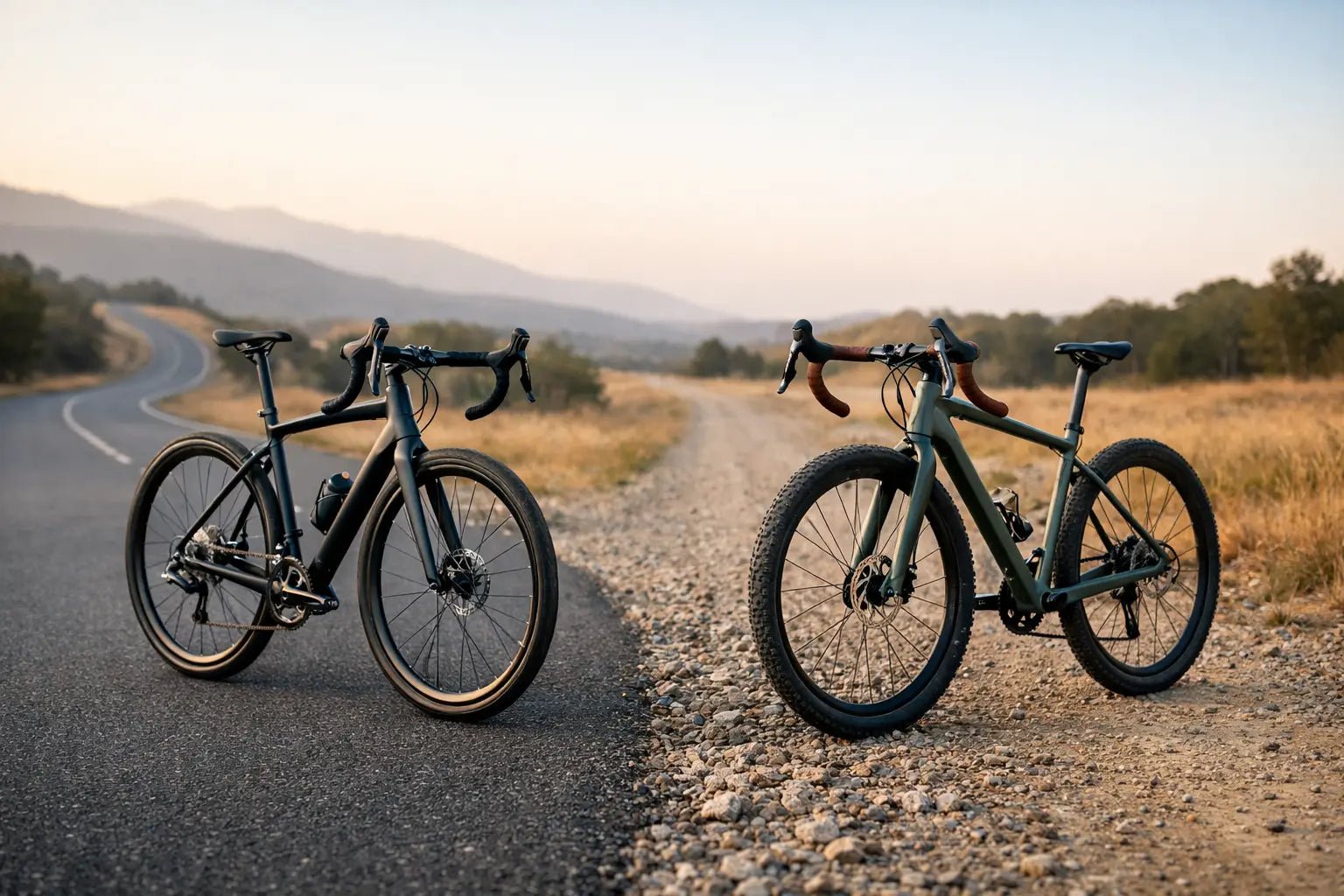
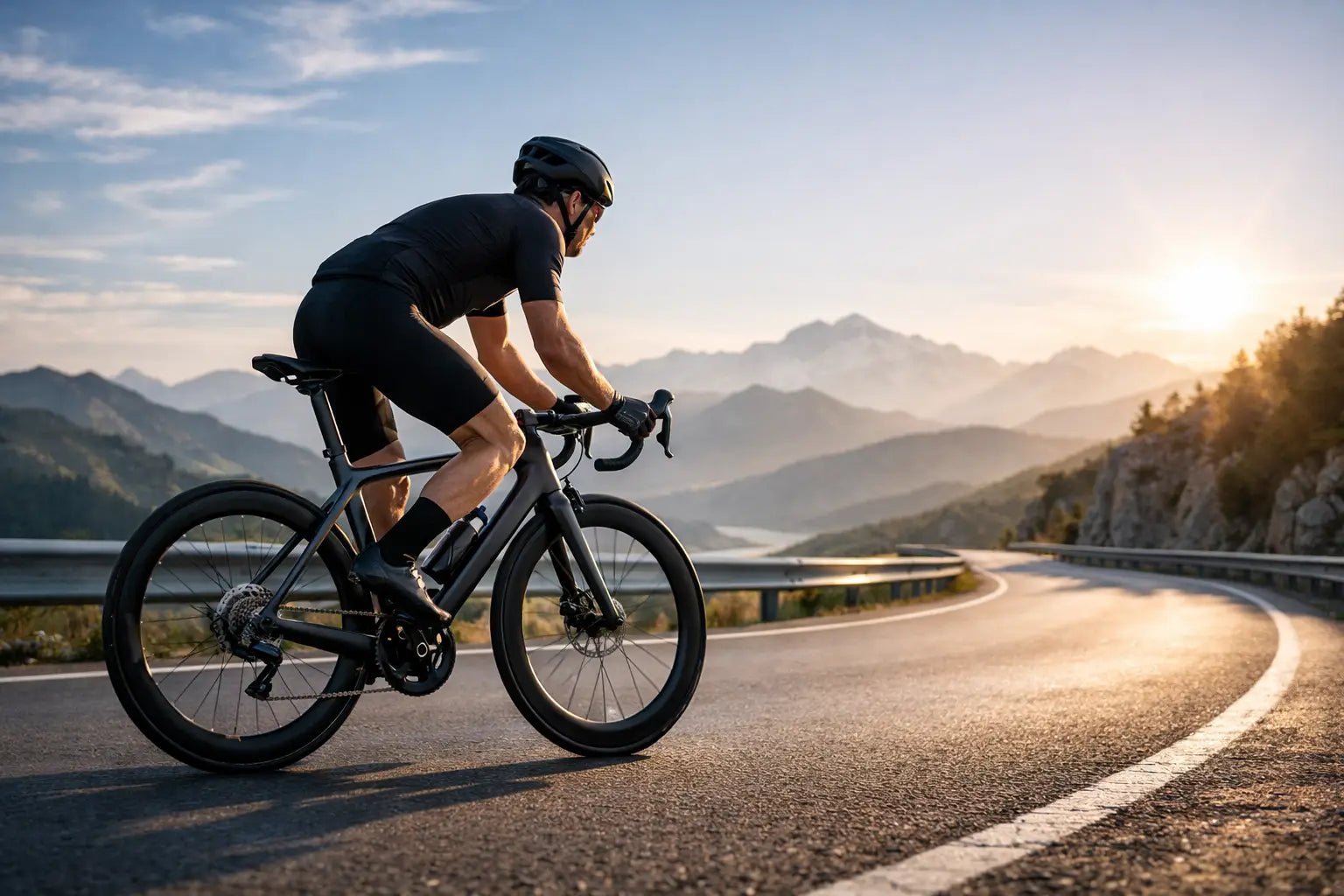
This is where buying gets more interesting. If your rides stay on clean pavement, a dedicated endurance road bike still makes sense. It will usually feel a bit sharper under acceleration and more focused in group rides. For riders doing fondos, long solo road miles, and mountainous routes, that can be exactly right.
But if your definition of endurance includes broken asphalt, chip seal, forgotten county roads, and the occasional gravel connector, an all-road bike may be the better answer. It gives you more freedom in tire choice, more comfort over long distances, and more route options without asking you to own multiple bikes.
That trade-off is worth understanding clearly. A road endurance bike can feel more direct and lively with narrow road tires. An all-road platform may carry a small weight penalty or slightly less razor-sharp road feel. In return, it expands what the bike can do. For many experienced riders, especially those investing in a premium carbon frame, versatility is part of performance.
Geometry matters more than marketing
Many bikes claim endurance capability, but geometry tells the truth. A bike intended for long-distance riding should place you in a sustainable position from the start. That does not mean it should feel relaxed in the casual sense. It should feel efficient, planted, and composed.
Stack and reach are key numbers, but they only matter when viewed together with your fit needs. A rider with strong flexibility and years of road experience may prefer a lower, more aggressive setup even on long rides. Another rider may need a bit more stack to stay powerful after four or five hours. The best endurance bike is not the one with the most conservative geometry. It is the one that matches your body, your power output, and your actual ride duration.
This is why frame fit and cockpit setup cannot be separated from the buying decision. Handlebar width, stem length, saddle choice, and crank length all shape endurance comfort. Premium brands that support rider-specific setup offer real value here. A high-end frame only reaches its potential when the contact points are right.
Why carbon is still the premium choice
For serious endurance riding, carbon remains the leading frame material because it solves multiple demands at once. It can be light, laterally stiff, and vertically compliant when designed well. That combination matters on long climbs, rough descents, and steady tempo riding where wasted energy adds up.
The more nuanced point is that carbon quality varies. A premium carbon endurance bike should feel calm under pressure, not vague. It should track cleanly through corners, respond immediately when you stand on the pedals, and mute harshness without losing speed. Cheap carbon can look good in a spec sheet and still ride flat or overly rigid. Better carbon engineering feels faster the longer you ride.
For riders considering a serious investment, this is also where ownership experience matters. A premium direct-to-consumer brand with strong support, customization guidance, and clear after-sales policies can offer better value than a generic showroom experience. The buying process should feel as precise as the bike itself.
The features that make long rides better
Tire clearance deserves top billing. Clearance for modern tubeless tires gives you room to tune the bike for the ride, whether that means a fast road setup or a more forgiving all-road build. That flexibility is one of the biggest advantages in endurance cycling today.
Mounting options also matter more than some riders expect. Multiple bottle cage mounts are not just for adventure marketing. On truly long rides, especially in heat, hydration strategy becomes performance strategy. The ability to carry more without compromising the bike’s handling is a practical advantage.
Integrated routing, clean frame storage solutions, and provisions for lights or dynamo systems can also make sense, depending on how you ride. These features are not essential for everyone, but for riders doing long-distance events, remote routes, or full-day mixed-terrain efforts, they add real utility.
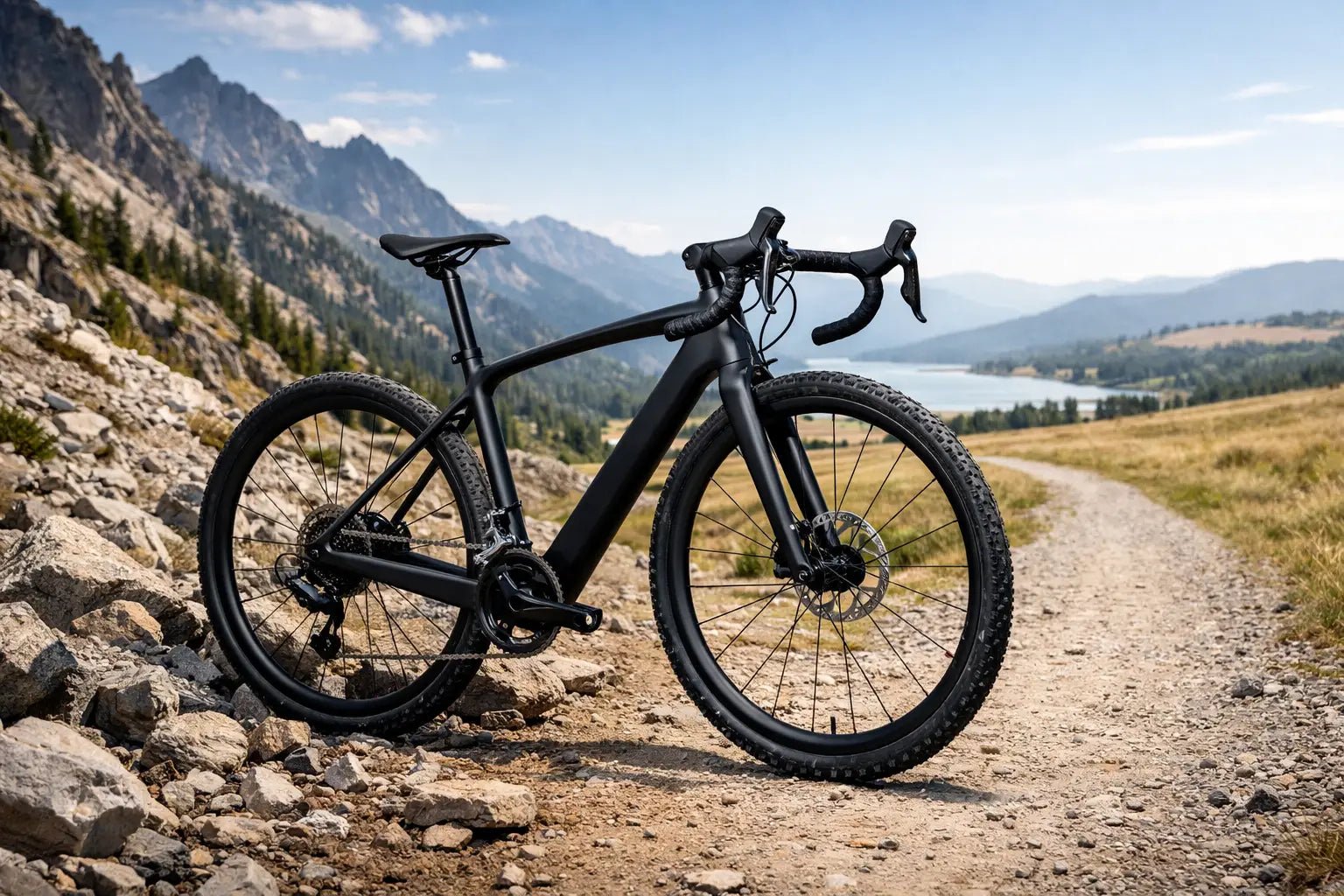
A modern premium all-road bike such as the Vega Cycling Ylva reflects this shift well. It is the kind of carbon platform that recognizes endurance riding is no longer limited to perfect pavement. Riders want speed, but they also want range, comfort, and route freedom.
How to choose the best bike for endurance riding
Start with where and how you actually ride, not how you imagine yourself riding. If 90 percent of your miles happen on smooth roads in fast groups, lean toward an endurance road setup. If your best rides involve rough surfaces, long solo miles, and mixed terrain, look closely at all-road geometry and wider tire capacity.
Then think about your ride duration. A bike that feels brilliant for short, hard efforts can become costly over six hours. Endurance riding rewards bikes that reduce fatigue in small ways across the whole system - frame compliance, tire volume, stable handling, and sustainable fit.
Be honest about your priorities too. If your goal is maximum race sharpness, endurance may not be the primary design brief you want. But if your goal is to ride farther, recover better, and stay fast over real-world surfaces, an endurance-focused premium carbon bike is often the smarter tool.
Finally, do not buy from geometry charts alone. Expert consultation is part of the product at this level. The right brand should help you build around your size, your terrain, and your expectations, not just sell a frame and move on.
The smartest answer is usually the most versatile one
For many riders, the best bike for endurance riding is no longer a traditional endurance road bike in the narrow sense. It is a lightweight, performance-driven carbon all-road bike that can be tuned for fast pavement one weekend and rougher exploration the next. That kind of versatility does not dilute performance. In many cases, it protects it.
The strongest endurance bike is the one that keeps you fresh, confident, and willing to go longer. When a bike expands your route options and still feels quick under power, you stop planning around limitations and start riding with intent.