Best Allroad Carbon Bike: What Matters
A fast group ride on Saturday, broken pavement on Sunday, and a six-hour mixed-surface route next month - that is exactly where the best allroad carbon bike earns its place. This category is not about compromise in the cheap sense. It is about building one high-performance machine that stays quick on smooth asphalt, stable on rough roads, and capable when the route stops being predictable.
For experienced riders, the challenge is not deciding whether allroad makes sense. It is deciding which carbon platform actually delivers road-bike speed without turning harsh, vague, or underbuilt once the surface deteriorates. The right choice comes down to frame intent, tire room, geometry, and how the complete build supports the way you ride.
What the best allroad carbon bike should actually do
An allroad bike sits in a narrow and demanding space. It needs to feel efficient under power, hold speed on long paved stretches, and stay composed over chip seal, hardpack, and rough backroads. If it leans too far toward endurance road, it becomes limited as soon as conditions get loose or broken. If it leans too far toward gravel, it can lose the sharpness that makes long road miles rewarding.
That balance is why carbon matters here. A well-designed carbon frame can be tuned for lateral efficiency at the bottom bracket and front end while still giving the rider real compliance through the seat area and fork. The goal is not softness. The goal is controlled comfort - the kind that preserves speed because your body is less beaten up after three or four hours.
The best frames in this category also avoid nervous handling. An allroad bike should feel confident at speed, especially on descents with inconsistent pavement. That usually means stable front-end geometry, predictable trail figures, and enough wheelbase to calm the bike without making it sluggish.
Frame design separates a true allroad bike from a road bike with bigger tires
This is where many comparisons go wrong. Tire clearance alone does not make a bike truly allroad. Plenty of road frames now accept wider rubber, but the underlying ride character may still be road-first in a way that limits capability.
A real allroad carbon frame is engineered around wider tubeless tires from the start. That affects fork shape, chainstay design, bottom bracket behavior, and overall chassis stiffness. It also affects utility. Riders shopping at the premium end increasingly expect room for multiple bottle cages, clean integration, and details that support longer rides rather than just shorter races.
Thoughtful frame design also includes practical performance features. Internal routing should be clean without turning service into a headache. Mount options should expand ride range without cluttering the bike. Dynamo routing, for example, matters to endurance and adventure riders who want a refined setup for long-distance efforts. These details are easy to dismiss until you are planning a ride that stretches beyond ideal conditions.
Tire clearance is one of the biggest decisions
If you are chasing the best allroad carbon bike, tire clearance deserves more attention than paint, branding, or even stock spec. Clearance determines not just what the bike can fit today, but how far you can tune it for different seasons and terrain.
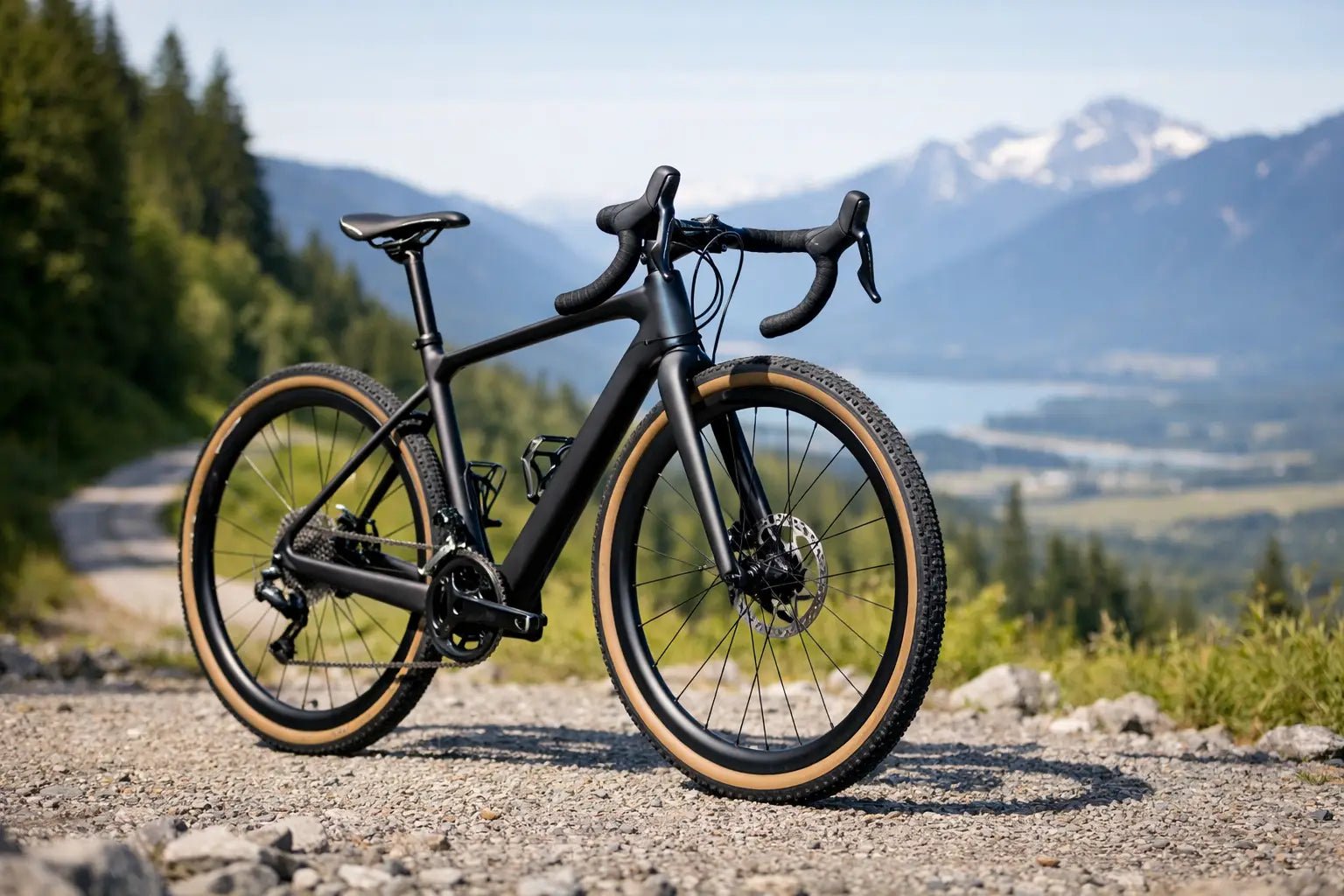
For a road-focused rider, 32 mm to 35 mm tires may cover almost everything. That setup preserves a quick, lively feel while adding a major gain in comfort and control over rough pavement. For riders spending more time on dirt roads, weather-damaged backroads, or occasional gravel, clearance into the high-30s or low-40s opens far more possibilities.
More clearance is not automatically better. Extremely wide capability can shift geometry and frame priorities toward gravel behavior. If your riding is 80 percent paved and you care about speed, the sweet spot is usually a frame that comfortably clears a modern wide road or light gravel tire without becoming overly relaxed. The best answer depends on your routes, not on headline numbers.
Geometry decides whether the bike feels premium or merely expensive
At this level, geometry is where ride quality becomes obvious. Two carbon bikes can share similar parts and still feel completely different once the road turns rough.
Look for a position that supports long hours in the saddle without dulling power transfer. Stack and reach need to create a fast but sustainable fit. A slightly taller front end than a race bike often makes sense in allroad, but that does not mean upright in a vague, detached way. You still want purposeful front-end weighting and precise steering input.
Chainstay length and wheelbase matter too. A slightly longer rear center can improve traction and stability, especially with wider tires, but too much length can make the bike feel flat when accelerating. Bottom bracket height is another subtle factor. Lower can feel planted on pavement, but too low may become less ideal if you ride rougher surfaces aggressively.
The best bikes in this category feel settled rather than sleepy. They track cleanly, corner predictably, and let you stay committed when the road quality changes mid-descent.
The build matters as much as the frame
A premium carbon frameset deserves a build that matches its purpose. This is one reason direct-to-rider customization is so valuable. The stock build that looks attractive on paper may not be the one that best suits your riding.
Wheel selection has an outsized effect on allroad performance. A lightweight carbon wheelset with sensible internal width can make the bike feel fast on pavement while properly supporting wider tubeless tires. Go too narrow and you limit tire shape and pressure range. Go too deep and the bike may become less composed in crosswinds, especially on exposed roads.
Drivetrain choice depends on where and how you ride. A 2x setup still makes a lot of sense for riders who care about tight gear steps and sustained road speed. A 1x setup can be appealing for simplicity and chain security, but it is not always the best answer for mixed-surface riders who do long road miles and want more precise cadence control.
Cockpit and seatpost choices matter as well. Integrated systems look sharp, but fit flexibility and serviceability should stay part of the conversation. A refined build is not just visually clean. It should support your contact points, your event calendar, and your long-term ownership experience.
How to judge comfort without sacrificing speed
Comfort is often described too vaguely in bike marketing. On a serious allroad bike, comfort should mean reduced fatigue, better traction, and more confidence holding speed over imperfect surfaces. It should not mean a disconnected chassis.
That comes from a mix of carbon layup, tire volume, wheel compliance, and fit. If a bike relies only on soft geometry to feel comfortable, it may also feel less responsive when you want to accelerate. If it relies only on frame stiffness to feel fast, it can become punishing over long distances.
This is why the best allroad carbon bike usually feels most impressive after several hours, not during a parking-lot test ride. The frame should stay efficient, but your body should arrive at hour five with more left. That is real performance.
Premium ownership should be part of the decision
Riders shopping this category are not just buying carbon and components. They are buying confidence in the platform, the build process, and the support behind it. That matters more with a specialized bike like allroad because the category rewards nuance.
A premium brand should be able to help you choose the right gearing, wheel and tire combination, and frame size based on real use cases. It should also make the ownership side straightforward, from shipping and setup support to satisfaction policies and rider communication. Boutique service is not a bonus here. It is part of the value.
That is also where a bike like the Vega Cycling Ylva stands out conceptually - a high-performance carbon allroad platform designed with modern versatility, practical endurance features, and dream-bike customization in mind. For riders who know exactly what they want, or want expert help refining it, that level of precision matters.
Who should buy an allroad carbon bike instead of a road or gravel bike?
If your riding starts on pavement but regularly pulls you toward rough shoulders, cracked rural roads, hardpack connectors, and longer exploratory routes, allroad is likely the smarter choice. It is especially compelling for endurance riders who value speed but no longer want a bike that only feels good when conditions are perfect.
If you mostly ride smooth roads and care about aggressive race handling, a pure road bike may still be better. If your calendar is full of loose gravel, chunky surfaces, and underbiking is part of the fun, a gravel bike may give you more margin. But for many serious riders, the allroad category is the cleanest answer because it meets real-world riding where it actually happens.
The right bike should make your route planning less cautious. It should let you chase the smoother line when it exists, ignore it when it does not, and keep moving with the same sense of intent. Choose the frame that matches that ambition, and the rest of your riding opens up.