How to Customize Your Dream Bike Right
The wrong custom build looks impressive in photos and feels off by mile 30. The right one disappears beneath you - responsive when you push, stable when the road turns rough, and ready for the kind of riding you actually do. If you're figuring out how to customize dream bike details, start with performance, not decoration.
A premium bike should feel intentional from the first pedal stroke. That means every decision, from frame platform to tire width, needs to support your riding style, your terrain, and your priorities. Speed matters. Comfort matters. So does versatility. The best custom bike is not the one with the longest parts list. It's the one that rides exactly the way you want.
How to customize dream bike builds with the right priorities
Most riders begin with components. The smarter move is to begin with use case. Are you building for fast road centuries, mixed-surface endurance rides, steep gravel climbing, or all-day adventure routes with gear on the bike? Those scenarios can overlap, but one usually leads.
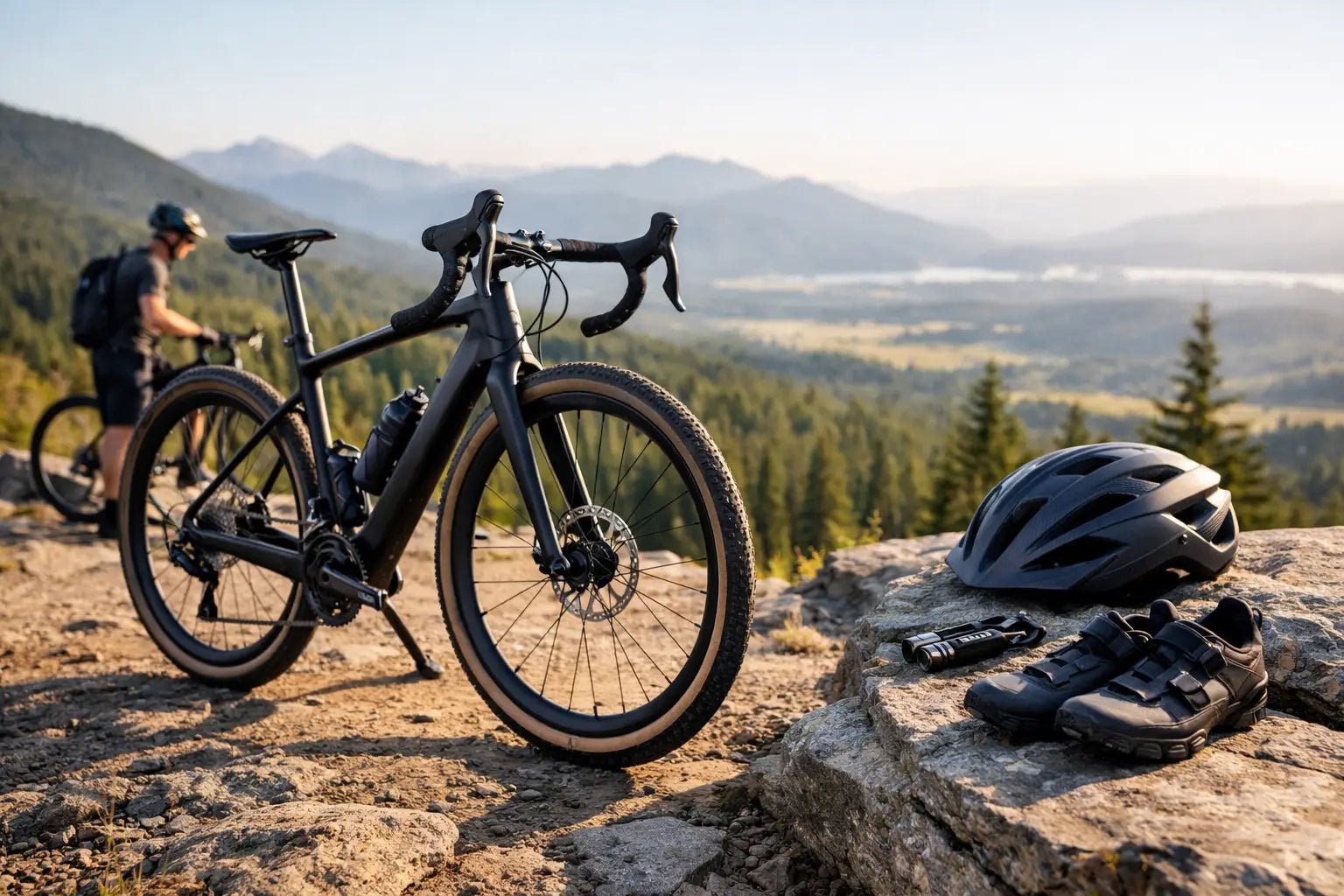
That lead use case shapes everything else. A road-focused rider may want a more aggressive front end, tighter gearing jumps, and wheels that reward sustained speed. A rider splitting time between pavement and rough farm roads may benefit more from wider tire clearance, stable handling, easier gearing, and practical mounting options. Neither direction is better. It depends on where and how you ride most often.
This is where many dream builds drift off course. Riders spec for a fantasy calendar rather than their real one. If 80 percent of your riding is fast solo pavement with occasional rough connectors, build for that. If your best days involve long mixed-terrain rides and unpredictable surfaces, prioritize capability first. A dream bike should elevate your actual riding, not someone else's.
Start with the frame platform
The frame is the foundation, and on a high-performance build, it sets both the ride character and the customization ceiling. Carbon matters here not just because it's light, but because it allows precise tuning of stiffness, compliance, geometry, and integration.
A strong platform should give you room to build toward your goals instead of forcing compromise early. Tire clearance, frame geometry, mounting points, internal routing, and overall category intent all affect how far you can take a build. If you want one bike to cover road speed, endurance comfort, and allroad freedom, the frame has to be designed for that range from the beginning.
For many riders, the most valuable frame quality is not extremity. It's balance. A bike that is brutally stiff and aggressively narrow in its use case can feel brilliant for short efforts and limiting everywhere else. On the other hand, a well-engineered carbon allroad platform can hold pace on smooth roads while opening the door to wider tires, added utility, and longer days in the saddle. That broader performance envelope is often what makes a dream bike worth the investment.
Fit is the customization that changes everything
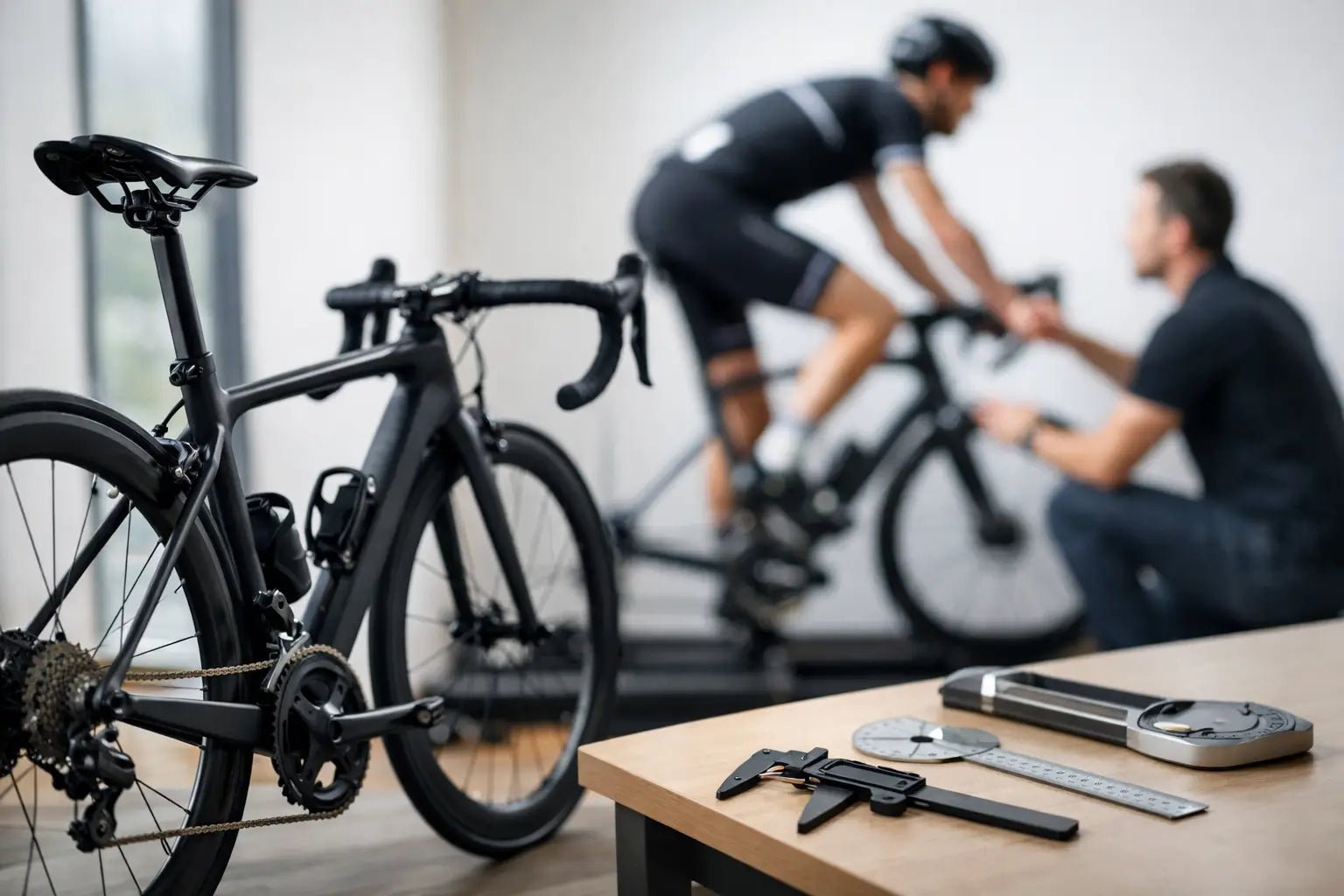
If the fit is wrong, no component upgrade will save the build. This is the least glamorous part of the process and the most important. Stack, reach, saddle position, crank length, bar width, and stem length all influence power, comfort, and control.
A premium custom build should not begin with guessing your usual size and hoping the cockpit can fix the rest. It should begin with your body, your flexibility, and the position you can hold when the ride gets long. Riders chasing a low front end often confuse aggressive with fast. Sometimes a slightly higher front end produces more speed because it improves sustainability, breathing, and stability.
The same logic applies to contact points. Saddles are highly personal. Handlebars should match your shoulder width and riding intent, not just current trends. Crank length deserves more attention than it usually gets, especially for riders managing hip comfort, cadence preference, or mixed-terrain climbing. These are small choices on paper and major ones on the road.
Wheels and tires define the ride feel
If the frame is the foundation, wheels and tires are the personality. They shape acceleration, comfort, grip, and confidence more than many riders expect. This is where a dream build becomes either brilliantly sharp or quietly exhausting.
Deep-section wheels can add speed and a clean visual statement, but depth should match your riding conditions and handling preferences. For open roads and sustained pace, aerodynamic gains are real. For gusty gravel sectors, technical descents, or riders who value predictability over peak numbers, a slightly shallower setup can be the faster choice in practice.
Tires deserve the same level of scrutiny. Narrower is not automatically quicker, especially on imperfect surfaces. Wider tubeless-ready tires often reduce fatigue, improve grip, and maintain momentum better on broken pavement and mixed terrain. The trade-off is usually a slightly different steering feel and, depending on tread, a bit less top-end crispness on pristine asphalt. Again, it depends on the roads beneath you.
A smart custom build treats wheel and tire choice as a system. Rim width, tire width, tread pattern, casing, and pressure all work together. Get this right, and the bike feels composed at speed and calmer over rough ground.
Choose the groupset around your riding, not internet debates
Electronic shifting has become the aspirational default for many premium builds, and for good reason. It offers clean operation, precise shifting, and strong consistency under load. Mechanical still appeals to riders who value simplicity, serviceability, and tactile feel. Neither choice is outdated if it aligns with your priorities.
The bigger decision is often gearing. This is where many dream bikes become harder to ride than they need to be. Tight road gearing feels excellent in fast group settings and on steady terrain. But if your routes include steep pitches, loose gravel, or long fatigue-heavy climbs, easier gearing expands what the bike can do and how fresh you stay doing it.
A one-by setup can deliver simplicity and chain security for gravel-focused riding, while a two-by setup often gives stronger range and tighter cadence control for allroad and endurance use. If your bike needs to cross categories gracefully, versatility usually wins. The goal is not to impress a spec sheet. The goal is to have the right gear when the route turns against you.
Think beyond speed: utility can be performance
For serious endurance and adventure riders, utility is not a compromise. It's part of the performance brief. Extra bottle mounts, space for larger tires, dynamo routing, and thoughtful frame integration all increase the bike's range in the real world.
That matters more than many buyers realize. A bike that can carry enough water for a long summer ride, accept lights powered for early starts and late finishes, and remain stable on changing surfaces is often the bike that gets ridden most. It may not look as narrowly optimized as a race-day machine, but it fits more of life.
This is especially true if you want one premium bike instead of multiple specialized ones. A refined allroad platform with the right build can cover fast training, fondo distances, light gravel, and exploration rides with very little compromise. That kind of capability is difficult to overvalue.
Keep the visual build disciplined
A dream bike should look exceptional, but the best-looking builds usually come from restraint. Coherent color choices, clean cockpit integration, and components selected for function first tend to age better than trend-led styling.
This does not mean the bike should be plain. It means every visual choice should reinforce the character of the build. If the bike is built for speed and long-range versatility, the finish, wheel profile, tire volume, and cockpit shape should all tell the same story. Premium design feels precise, not busy.
This is one reason custom support matters. When a brand understands both engineering and rider intent, it becomes easier to build a bike that performs as well as it looks. At Vega Cycling, that dream-bike process is meant to remove guesswork, not add complexity.
How to customize dream bike details without overspending in the wrong places
A premium build does not require upgrading everything to the most expensive option. Some categories deliver far more ride benefit than others. Fit, frame quality, wheels, tires, and gearing usually affect the riding experience more than chasing marginal gains in decorative carbon accessories.
If the budget has limits, spend where the bike touches the ground and where it touches you. Then spend on the drivetrain choices that support your terrain. A great frame with the right fit and purposeful wheels will feel more special than a mismatched halo build assembled around prestige parts.
It also pays to think in seasons, not just in checkout decisions. Ask what you may want to change after six months. Tires, gearing, saddles, and wheelsets can evolve with your riding. The frame and fit need to be right from day one.
A dream bike should feel fast, but more than that, it should feel like yours. Build around the rides you chase repeatedly, the surfaces that keep calling you back, and the position you can hold with confidence hour after hour. When those choices line up, customization stops being cosmetic and starts becoming performance.