What Is an Allroad Bike, Really?
A fast group ride that turns onto broken pavement, a long climb that ends in hardpack, a weekend route with no interest in staying tidy - this is exactly where the question what is an allroad bike starts to matter. Not in theory, but in the real gap between a pure road bike and a true gravel machine.
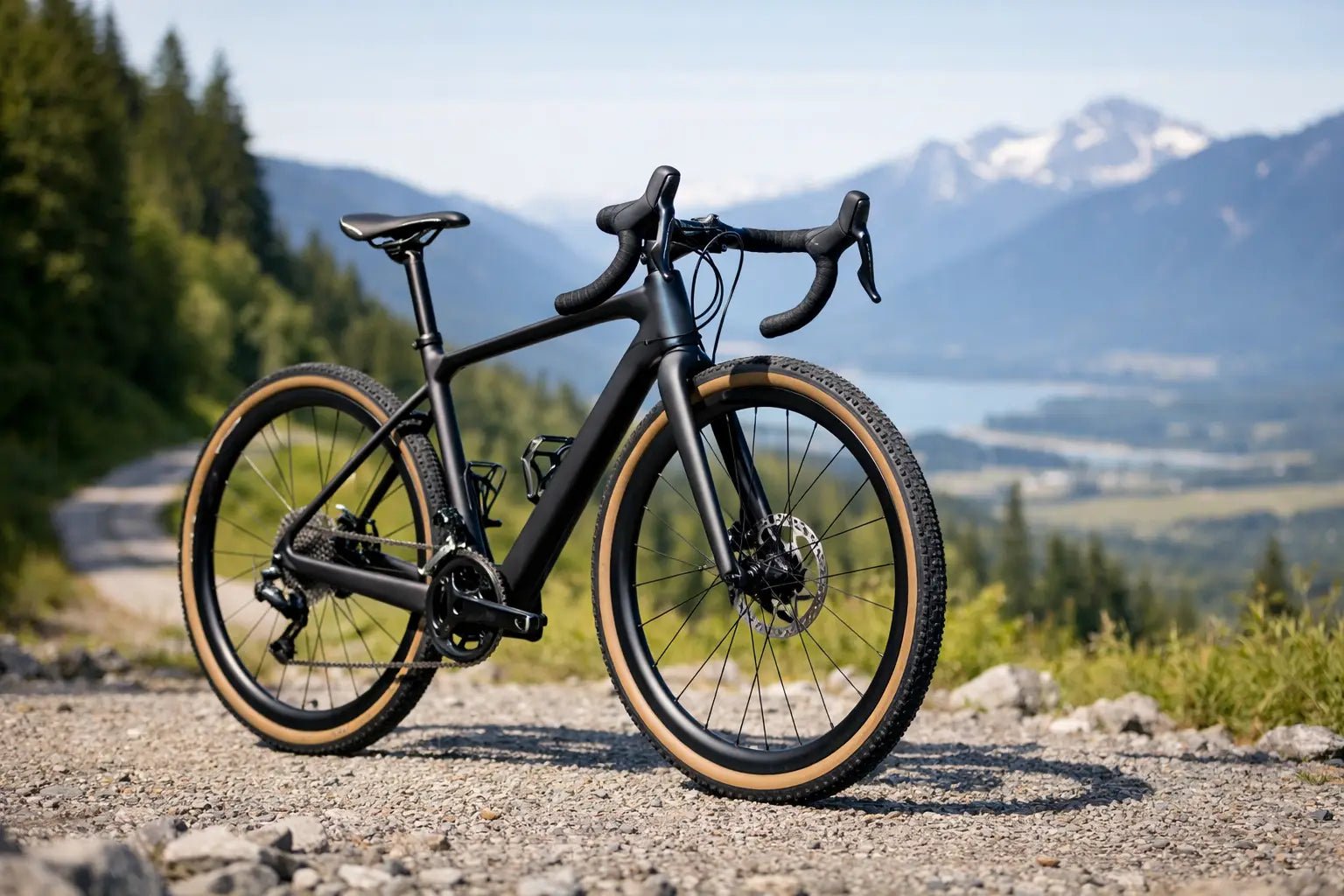
An allroad bike is built for riders who want road-bike speed with more tire clearance, more stability, and more freedom to leave perfect asphalt behind. It sits between traditional road and gravel categories. The goal is not to be a compromise in the weak sense. The goal is to be highly capable across the kind of riding many serious cyclists actually do.
What is an allroad bike?
At its core, an allroad bike is a drop-bar performance bike designed for mixed surfaces, with geometry and tire clearance that make rough pavement, chipseal, light gravel, and long endurance routes feel controlled rather than punishing. It keeps a road-oriented character, but adds practical range.
That usually means a frame built around wider tires than a standard road race bike, often in the 32 mm to 40 mm range depending on the design. It also means geometry that is a touch more composed - not sluggish, not upright in an exaggerated way, just more confidence-inspiring over distance and over imperfect terrain.
The category exists because many riders no longer fit neatly into one lane. They want speed on pavement, but they do not want their route choices limited by surface quality. They want one premium machine that can cover weekday training, fondo miles, backroad exploration, and fast endurance riding without feeling overbuilt or underprepared.
Where an allroad bike sits between road and gravel
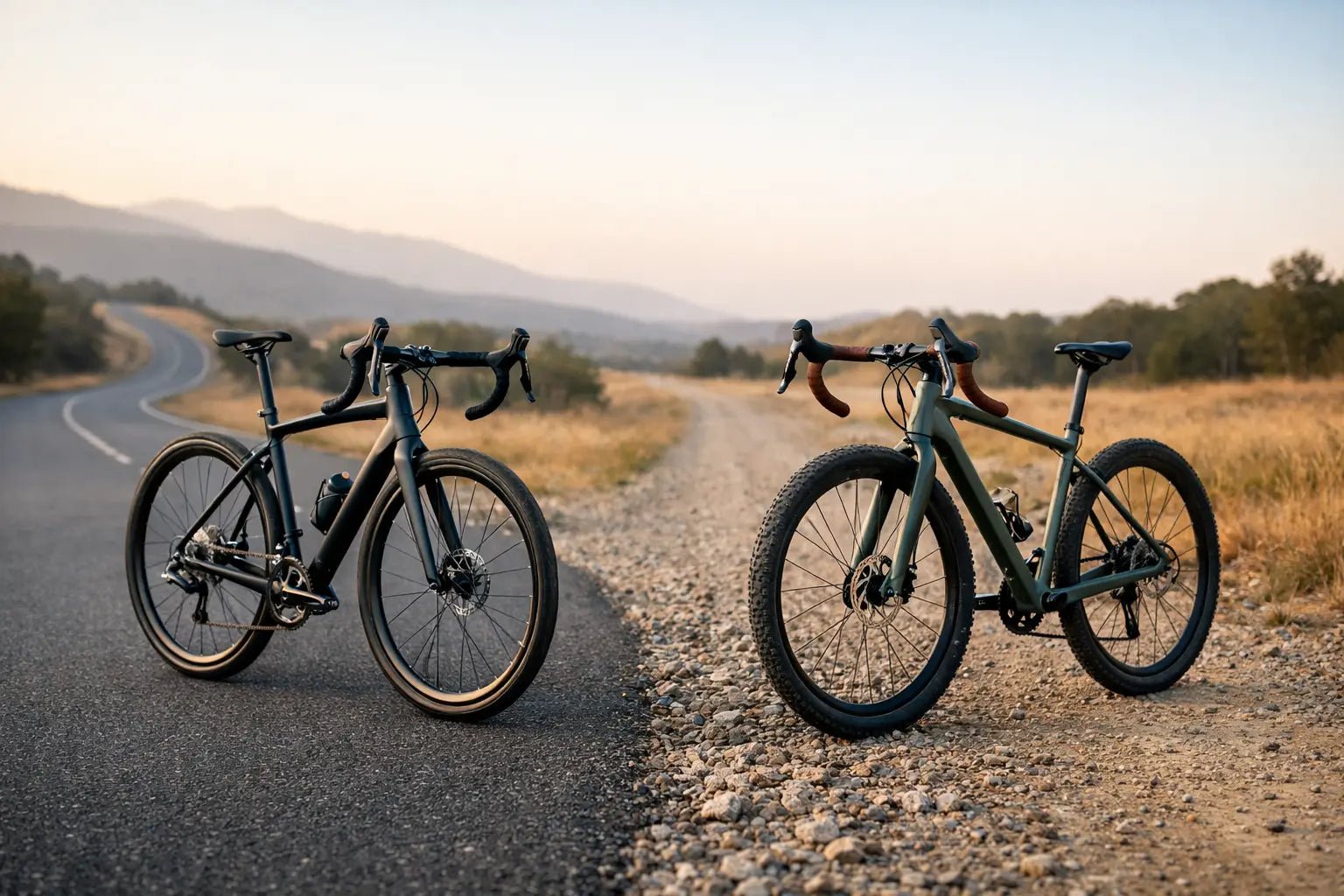
The easiest way to understand an allroad bike is to place it between two familiar reference points.
A race-focused road bike prioritizes immediate acceleration, tight handling, aerodynamic efficiency, and low weight. It often uses narrower tires and more aggressive geometry. On smooth pavement, it feels sharp and direct. On rough roads or light dirt, it can start to feel nervous or harsh.
A gravel bike pushes further toward terrain capability. It typically accepts much wider tires, may use more relaxed geometry, and is often designed with extra mounts and gearing for steeper, looser, or more remote riding. It can be impressively versatile, but on fast pavement some gravel bikes give up a bit of the snappy road feel riders still want.
An allroad bike threads the middle. It stays quicker and more road-biased than most gravel bikes, while offering more comfort, traction, and surface tolerance than a traditional road platform. If your riding is 70 to 90 percent pavement with occasional gravel roads, rough connectors, and unpredictable conditions, allroad often makes more sense than either extreme.
What makes an allroad bike different?
The answer is not one part. It is the full package.
Tire clearance
This is one of the defining features. Wider tubeless-ready tires let you run lower pressure, which improves comfort, grip, and confidence on rough surfaces. That does not just matter off pavement. It matters on cracked city streets, weathered descents, and long rides where reduced fatigue becomes real speed by hour four.
For many riders, the magic of allroad begins the moment they stop treating every bad section of pavement like a problem to survive.
Geometry
Allroad geometry is usually more stable than race geometry, but still responsive. You may see a slightly taller front end, a bit more wheelbase, and handling that feels calmer at speed or on loose surfaces. The effect is subtle when done well. You still feel connected and efficient, just less punished for taking the rough line.
Frame design and compliance
Premium allroad frames often use carbon layups tuned for both power transfer and vibration reduction. That matters because the category asks a lot from a frame. It needs to feel fast when you stand on the pedals, but not brittle over broken roads.
In better designs, comfort is engineered in without dulling the ride. That distinction matters. Soft is not the goal. Controlled is.
Versatility features
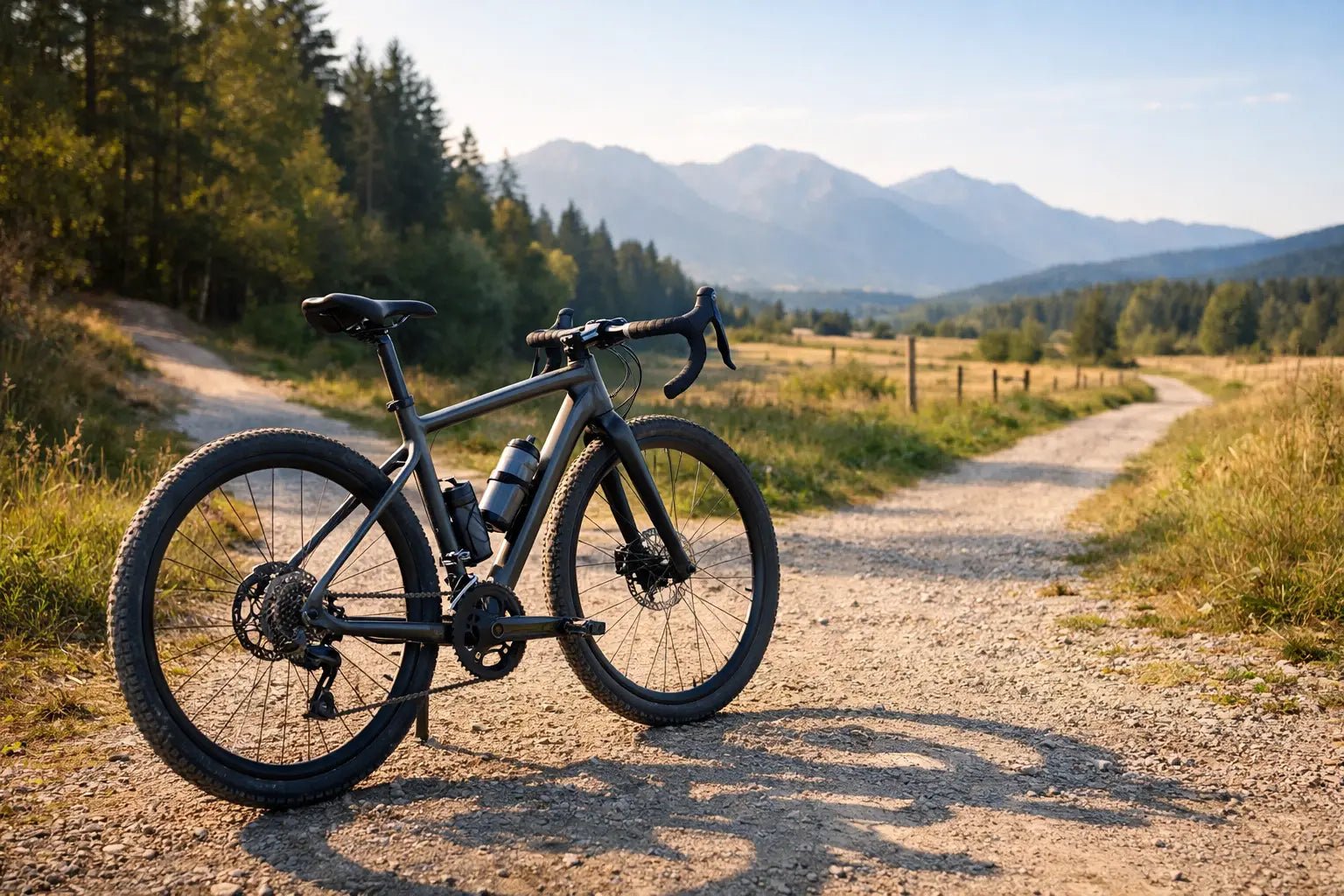
Many allroad bikes include practical touches that serious endurance riders appreciate: multiple bottle cage mounts, room for small bags, hidden fender compatibility, or internal routing options for lights and dynamos. These details do not turn the bike into a touring rig. They simply widen the range of what it can do.
Who should choose an allroad bike?
The ideal rider is not someone who cannot decide. It is someone who knows exactly what kind of riding they value.
If you mostly ride pavement but want the freedom to take a gravel connector, descend neglected county roads, or build big routes without worrying about surface perfection, an allroad bike is likely the smart choice. It suits endurance cyclists, fast recreational riders, and experienced enthusiasts who want one premium bike for varied conditions.
It also fits riders who have moved on from hyper-specialized equipment. A pure race bike can be thrilling, but if your real-world rides include rough roads, long hours, and mixed terrain, an allroad platform often delivers more usable performance more often.
On the other hand, if your riding is almost entirely smooth pavement and your priority is maximum aerodynamic speed in competitive road settings, a dedicated road bike may still be better. And if you regularly ride loose gravel, chunky forest roads, or loaded off-grid routes, a gravel bike will usually offer more capability.
How an allroad bike rides
The best allroad bikes feel efficient first. They are not slow bikes pretending to be versatile. They accelerate cleanly, hold speed well, and still reward strong riding on the road. What changes is the range.
You notice it when pavement gets rough and the bike stays composed. You notice it when a route turns to hardpack and there is no need to turn around. You notice it at the end of a long day, when less vibration and better traction leave more in your legs.
That wider performance window is the point. A strong allroad bike should feel fast on the terrain you ride most, not merely passable on everything.
What to look for in a premium allroad bike
If you are shopping at the high end, category labels are not enough. The execution matters.
Start with the frame. Carbon construction should deliver more than low weight. Look for a chassis that balances stiffness, comfort, and precision. Then look at tire clearance. Real allroad capability comes from meaningful room for modern tires, not just squeezing in something slightly wider than a race setup.
Pay attention to the build philosophy as well. Gearing should support long climbs and mixed terrain without sacrificing road speed. Wheel and tire pairing matters. So does the detail work - bottle mounts, integrated routing, and room to customize the bike around how you actually ride.
This is where premium brands separate themselves. A well-engineered allroad platform is not just a frame with extra clearance. It is a complete performance system designed around endurance, speed, and adaptability. On a model like Vega Cycling’s Ylva, that thinking shows up in the carbon platform, modern mixed-surface spec, practical mounting options, dynamo routing, and tubeless-ready clearance that makes the bike genuinely useful beyond perfect pavement.
The trade-offs are real
No bike category erases trade-offs. Allroad just manages them intelligently.
Compared with a pure road race bike, an allroad build may carry slightly more weight, a little less aerodynamic focus, and handling that is a touch less razor-sharp in a sprint. Compared with a gravel bike, it may have less ultimate clearance and less confidence on loose, technical terrain.
But for many riders, those trade-offs are exactly why the category works. You give up a little at the edges to gain much more in the middle, which is where most riding happens.
So, what is an allroad bike really?
It is the answer for riders who want speed without fragility and versatility without bulk. It is a drop-bar performance bike for the routes that do not stay in one category, and for the cyclist who would rather keep rolling than keep defining the road.
If your best rides mix pace, distance, and freedom, an allroad bike is not a compromise. It is the modern performance choice.