Articolo: Are Carbon Bikes Worth It? A Real Answer
Are Carbon Bikes Worth It? A Real Answer
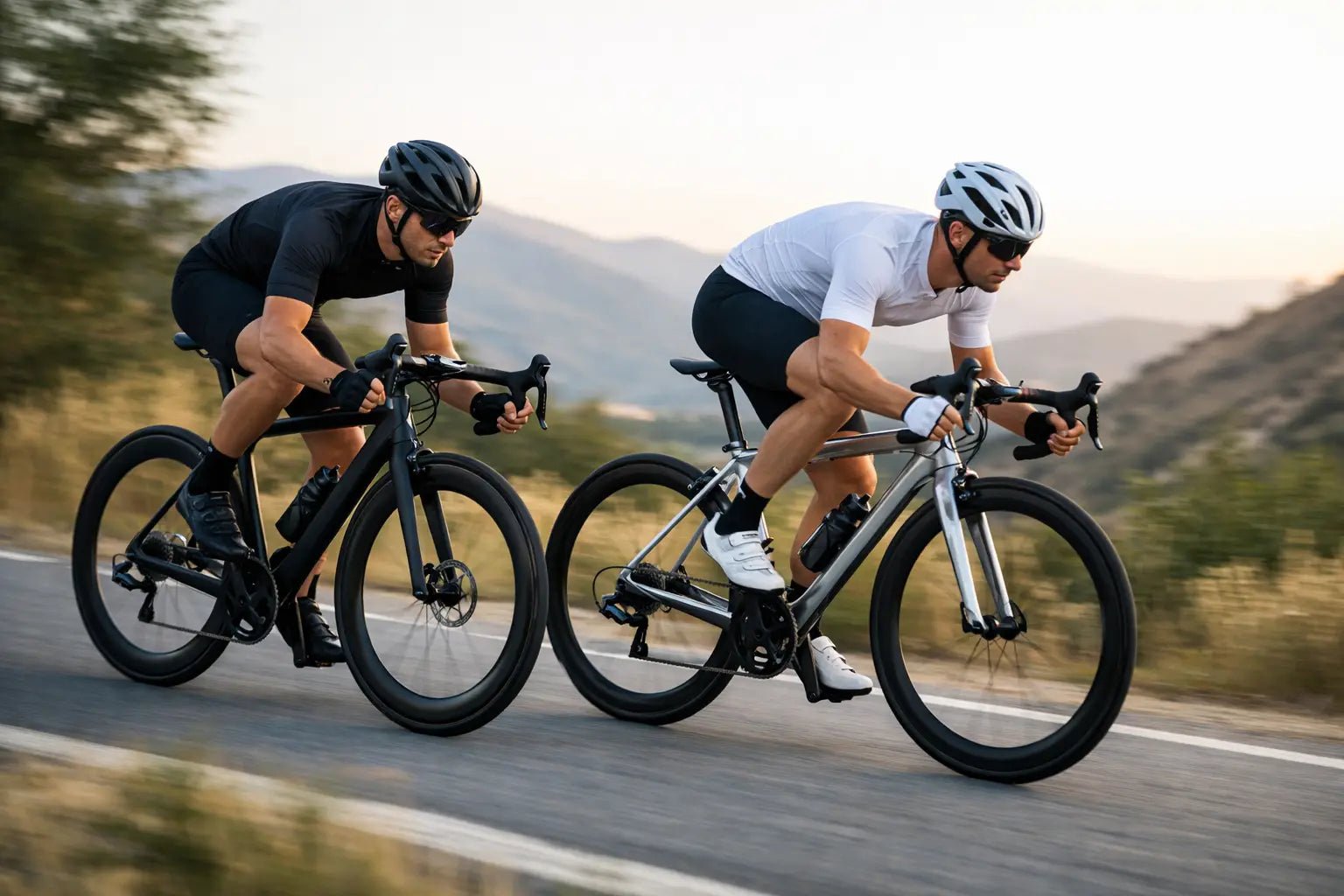
You feel it before you see it on paper. A good carbon bike accelerates with less hesitation, tracks cleanly through fast corners, and takes the edge off rough pavement or washboard gravel in a way many riders notice within the first hour. That is why the question "are carbon bikes worth it" keeps coming up among serious riders. Not because carbon is trendy, but because the right frame can change how a bike responds under power, over distance, and across mixed terrain.
For some cyclists, carbon is absolutely worth the investment. For others, it is an expensive answer to the wrong problem. The real decision comes down to how you ride, what you expect from your bike, and whether you will actually benefit from what carbon does best.
Are carbon bikes worth it for performance?
If your priorities are speed, efficiency, and ride quality, carbon usually earns its place.
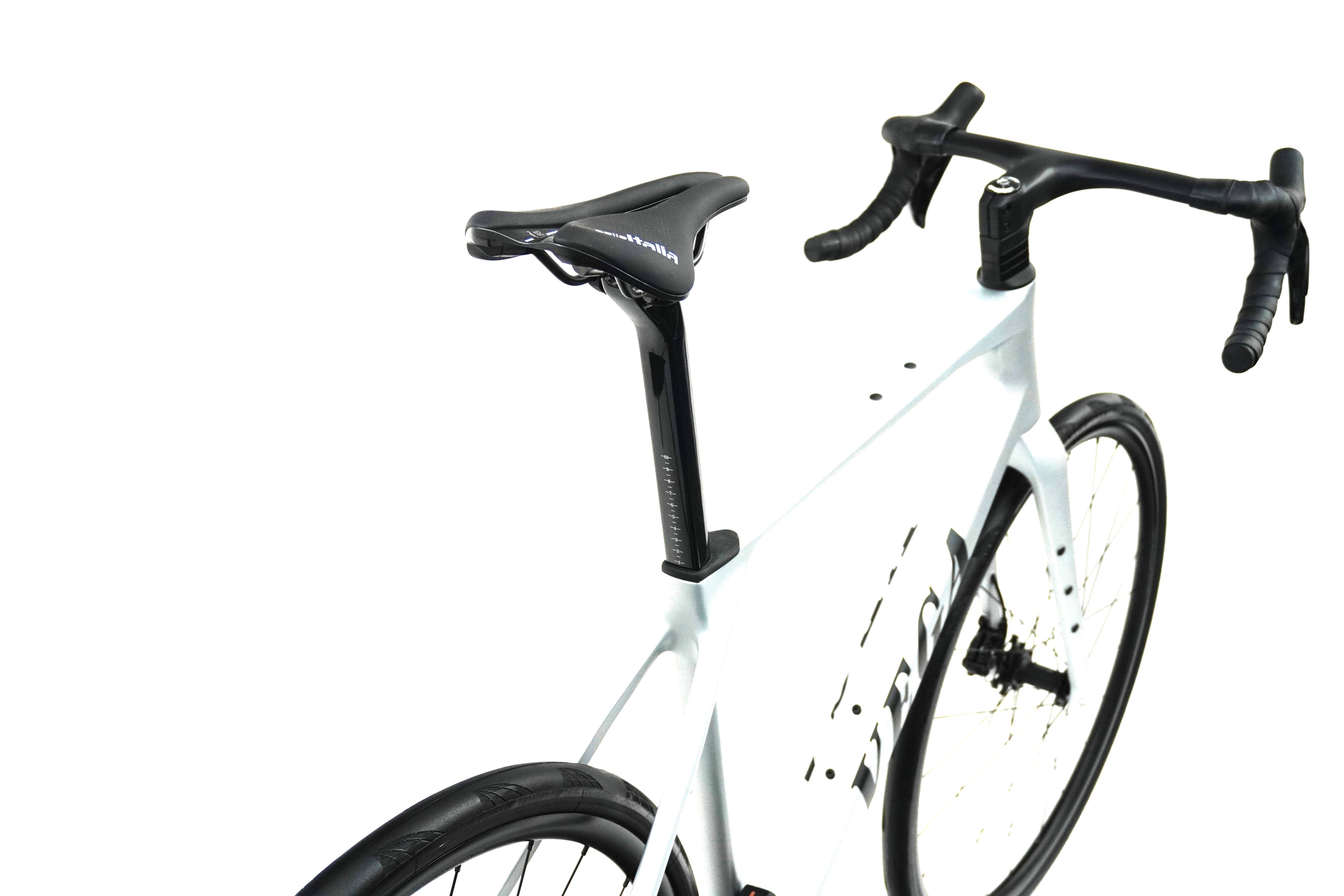
The biggest advantage is not just lower weight, although that matters. A well-engineered carbon frame lets designers control stiffness and compliance with much more precision than most aluminum or steel designs. That means the bottom bracket and front end can feel direct under hard efforts, while the seat stays, fork, or top tube can be tuned to reduce vibration and fatigue. On the road, that often translates to sharper power transfer and less cumulative strain over long rides. On gravel or allroad routes, it can mean better control when surfaces get loose, broken, or unpredictable.
That tuning is where premium carbon separates itself from cheaper carbon. Not every carbon bike rides well simply because it is made from carbon fiber. Frame design, layup quality, tube shaping, and testing standards matter more than the material alone. A poorly executed carbon frame can feel harsh, vague, or underbuilt. A refined one feels fast, stable, and composed.
For riders chasing personal bests, big climbing days, fast group rides, or long mixed-surface efforts, those gains are real. They are not magic, but they are noticeable.
Where carbon makes the biggest difference
Carbon tends to justify its cost most clearly in three riding scenarios.
First, endurance riding. Over four, five, or six hours, reduced road buzz and better vibration damping can preserve energy in a way a stiffer metal frame often cannot. This is less about comfort in the casual sense and more about staying fresher when the ride gets long.
Second, climbing and repeated acceleration. Lighter complete builds help, but the bigger story is responsiveness. A high-quality carbon bike often feels more immediate when you get out of the saddle or surge out of corners.
Third, modern gravel and allroad riding. Riders in this category ask a lot from one bike. They want road-bike efficiency, enough compliance for rough sections, stable geometry, wide tire clearance, and room for practical details like extra bottle mounts or dynamo routing. Carbon is especially strong here because it gives engineers room to balance speed, control, and utility without making the bike feel overbuilt.
That is one reason brands focused on premium allroad and gravel performance continue to invest heavily in carbon platforms. When done right, the result is a bike that feels quick on pavement but remains confident when the route stops being tidy.
When carbon bikes are worth it - and when they are not
This is where the answer gets honest.
Carbon bikes are worth it if you ride often, care about handling and ride feel, and plan to keep the bike long enough to enjoy the performance return. They are worth it if you already know your fit, understand your riding style, and want a machine that feels purpose-built rather than broadly competent.
They are also worth it if your budget allows you to buy quality across the whole build. A great carbon frameset paired with compromised wheels, tires, or contact points may not deliver the experience you expect. In many cases, a better aluminum bike with stronger components will outperform a cheaper carbon bike built to hit a price point.
Carbon may not be worth it if you ride casually, store your bike carelessly, travel with it constantly, or mostly want durability at the lowest possible cost. If your riding is short, infrequent, and non-competitive, the difference may not matter enough to justify the premium.
There is also a psychological side to the decision. Some riders simply enjoy owning a highly engineered carbon bike. They appreciate the design, the detail, the exclusivity, and the feeling of riding something advanced. That is part of the value too, provided you are honest about what you are paying for.
The cost question most riders actually mean
When people ask, "are carbon bikes worth it," they are usually asking a sharper question: worth it compared to what?
Compared to entry-level aluminum, carbon can feel like a major upgrade in refinement, especially at speed and over rough surfaces. Compared to top-tier aluminum, the gap narrows. Excellent aluminum bikes are still fast, capable, and often more affordable to replace or upgrade.
Compared to titanium, carbon usually wins on weight and race-focused efficiency, while titanium appeals more to riders who prioritize longevity, distinctive ride feel, and a certain understated prestige. Compared to steel, carbon is generally the better tool for pure performance, but steel still has loyal fans who value its character and resilience.
The key is to compare complete bikes, not just frame materials. Wheels, tire volume, geometry, cockpit setup, gearing, and fit influence performance at least as much as the frame in many real-world situations.
That is why experienced buyers do not ask whether carbon is better in the abstract. They ask whether a specific carbon bike is better for the way they ride.
Common concerns about carbon
Some hesitation around carbon is justified. Some of it is outdated.
Crash damage is the most common concern. Carbon does not dent like metal, and impact damage can be harder to spot with an untrained eye. That said, modern carbon frames from reputable brands are far tougher than many riders assume. They are designed for real loads, real terrain, and real use. The answer is not fear, but proper inspection, careful torque settings, and buying from a brand that stands behind its product.
Another concern is repairability. Carbon can often be repaired successfully, which surprises many riders. A damaged aluminum frame is more likely to become a replacement decision. Carbon is not disposable by definition.
Then there is the idea that carbon is too delicate for gravel, travel, or adventure use. That only makes sense if the frame was poorly designed for the job. A modern performance carbon allroad or gravel bike with the right clearances, mounting points, and structural design is built to be ridden hard, not admired from a distance.
How to decide if carbon is right for you
Start with your riding calendar, not your wish list.
If you ride multiple times a week, target long events, value speed with comfort, or want one bike that can cover road miles and rougher routes at a high level, carbon is a strong investment. If your current bike feels heavy, dull, or punishing over distance, a well-designed carbon platform can be a meaningful upgrade.
Next, look at your standards. Are you the rider who notices front-end precision on descents, frame response during hard efforts, or fatigue from repeated vibration? If yes, you are far more likely to appreciate what carbon offers.
Finally, think beyond the frame. The best carbon bike for you is one that fits your position, your terrain, and your ownership expectations. Custom build support, component flexibility, tire clearance, and after-sale service matter. Premium ownership is not just about the material. It is about getting the full package right.
For riders who want a single high-performance bike to cover endurance road, fast gravel, and allroad exploration, this is where carbon often makes the most convincing case. A refined platform with modern geometry and practical integration can do more than save weight. It can widen the kind of riding you want to do.
Vega Cycling builds around exactly that idea - premium carbon performance without compromise, backed by direct support for riders who want their bike configured around real goals, not generic stock assumptions.
So, are carbon bikes worth it?
Yes - if you will use what makes them better.
Carbon is worth it for riders who care about efficiency, composure, and the subtle but very real difference between a bike that simply works and one that feels engineered around speed and endurance. It is less worth it when the budget is tight, the use case is light, or the money would deliver more benefit elsewhere in the build.
The smartest way to buy is not to chase the word carbon. It is to choose the bike that gives you the most capability, confidence, and satisfaction every time the route gets longer, faster, or rougher than planned.