How to Choose Allroad Bike Right
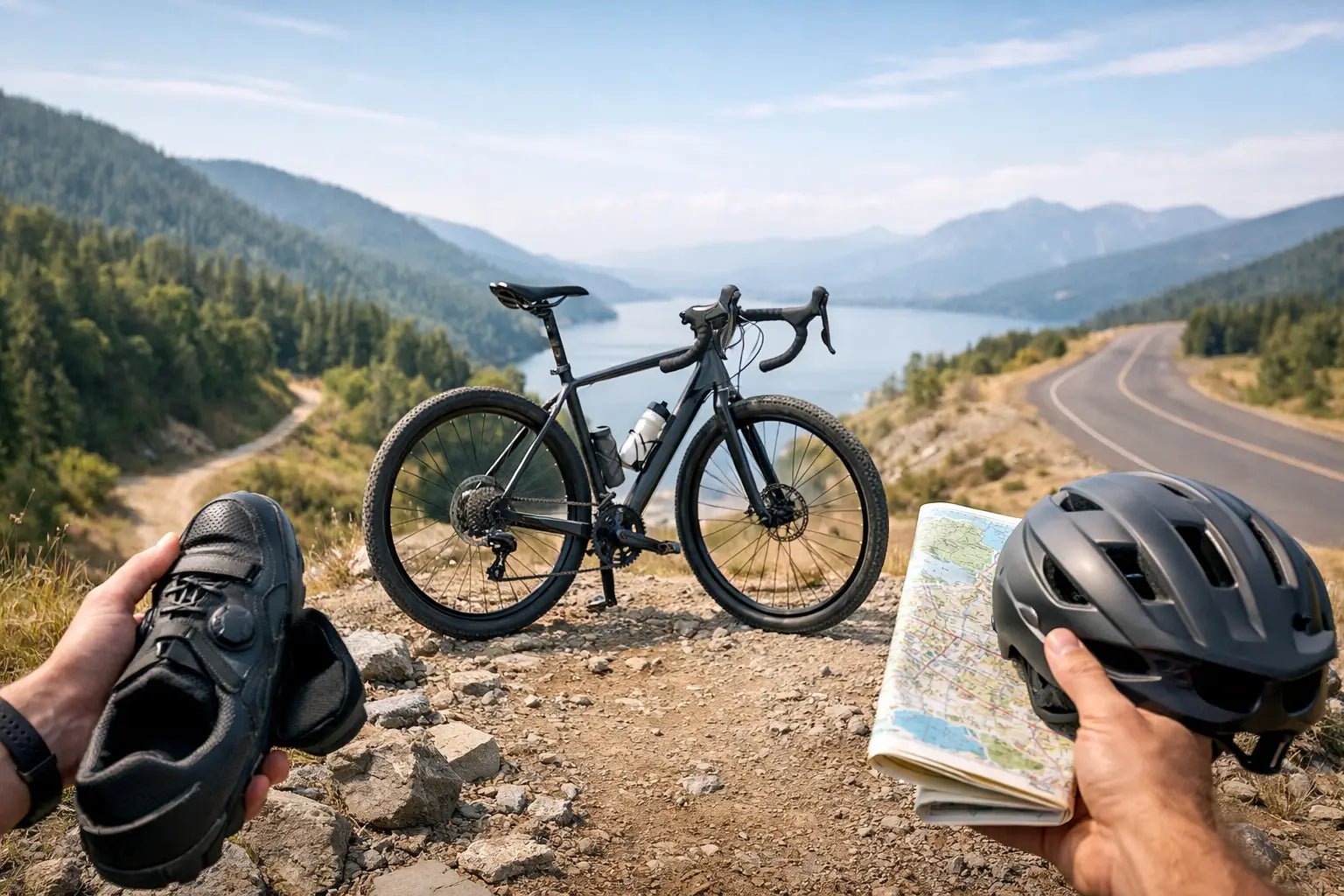
A fast group ride on Saturday, a broken county road on Sunday, and a long solo loop that links pavement with hardpack in between - that is exactly where an allroad bike earns its place. If you are figuring out how to choose allroad bike options without ending up on something too road-focused or too gravel-heavy, the real job is matching the bike to the way you actually ride.
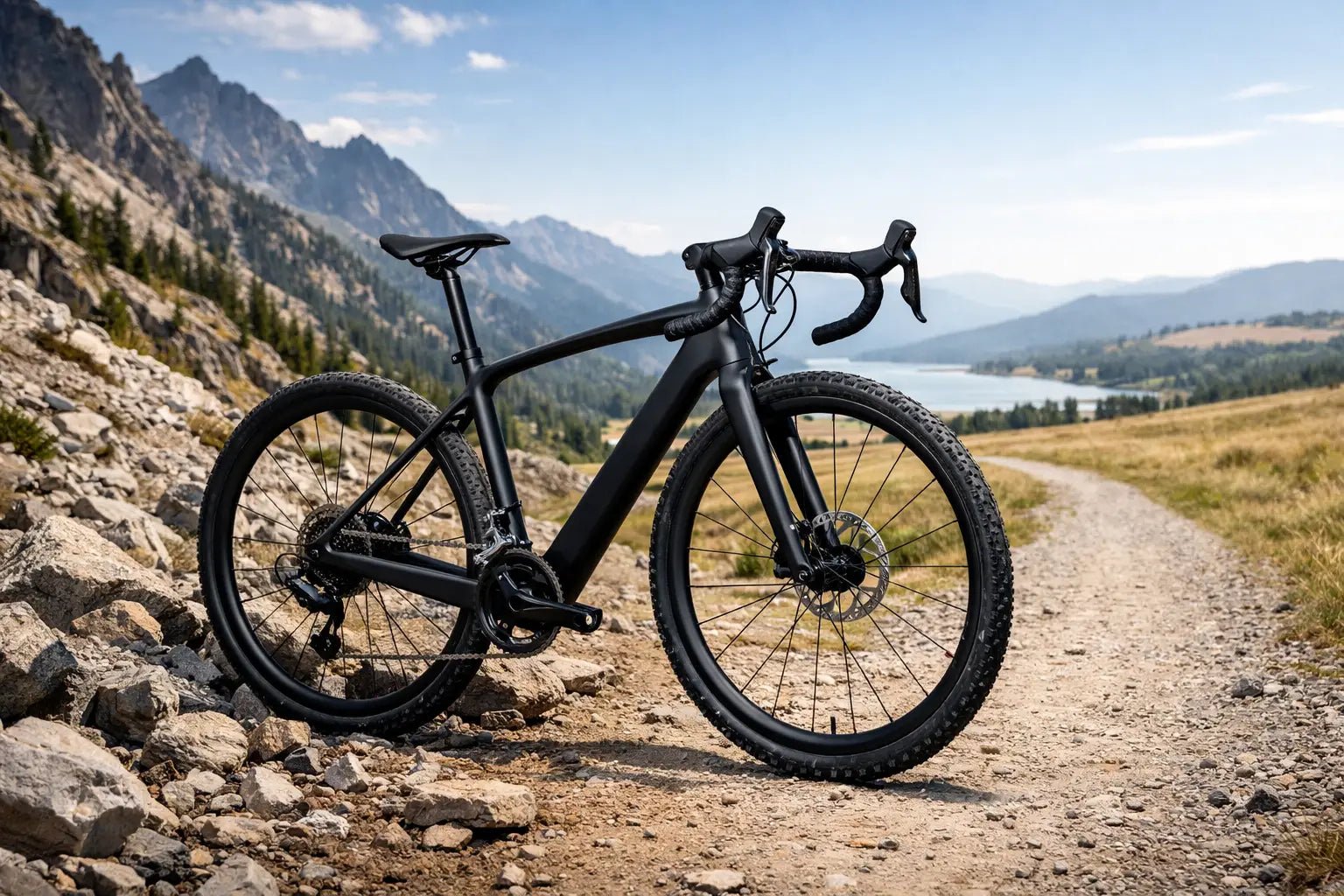
An allroad bike sits in a useful middle ground. It should feel quick on smooth asphalt, composed on rough pavement, and confident when the route turns onto dirt, chip seal, or light gravel. The best ones do not feel like compromised machines. They feel like performance bikes with a wider operating range.
How to Choose Allroad Bike for Your Riding Style
Start with the question most buyers skip - where will this bike spend 70 percent of its time? Not the fantasy ride. The real one.
If most of your miles are on pavement, with occasional rough shoulders, farm roads, and light unpaved connectors, you want an allroad bike that stays close to road-bike efficiency. That means sharper handling, lower weight, and geometry that still rewards a strong pace. If your routes regularly include washboard gravel, loose surfaces, and long days in the saddle, move toward a more stable setup with bigger tire clearance and slightly more relaxed handling.
This is where many premium buyers make the wrong call. They buy too much bike for the terrain because bigger tires and extra stability sound safer. Then they spend most of the year pushing a slower, duller ride on pavement. The opposite mistake happens too - choosing what is basically an endurance road bike, then asking it to handle surfaces it was never designed for.
The right allroad bike should cover mixed terrain without giving up its sense of speed. That balance is the category.
Frame Material Matters More Than Marketing
At this level, carbon is usually the right answer. Not because it is fashionable, but because a well-engineered carbon frame lets designers tune stiffness, compliance, weight, and handling with more precision than heavier, less performance-oriented alternatives.
For an allroad bike, that matters. You want efficient power transfer when the road opens up, but you also want enough vertical compliance to take the edge off rough pavement and chatter. A premium carbon frame can do both if the layup and tube shaping are done correctly.
Look past generic claims about comfort or speed. Ask what the frame is built to do. Is it designed for wide tires without ruining road feel? Does it include clean integration without making service difficult? Does it support real-world endurance use with practical details like multiple bottle mounts or internal routing for lighting and dynamo setups? Those are not lifestyle add-ons. They are signs that the bike was engineered for longer, broader use.
Fit Comes Before Spec
If you remember one thing about how to choose allroad bike models, make it this - fit beats component prestige every time.
A frame that is slightly wrong for your proportions will never feel premium, no matter how impressive the build kit. An allroad bike should put you in a position that supports speed over long distances, not just an aggressive silhouette in the garage. For most riders, that means a fit that is performance-oriented but sustainable, with enough stack to stay comfortable for hours and enough reach to keep the front end stable and efficient.
Geometry numbers tell the story. Compare stack and reach first, then look at head tube length, wheelbase, and bottom bracket drop. A shorter wheelbase and lower front end usually feel more road-like and responsive. A slightly longer wheelbase and taller front end add calmness and reduce fatigue on rougher surfaces.
Neither is automatically better. It depends on your mobility, riding style, and terrain. Riders coming from road race bikes often prefer a more responsive allroad fit. Riders coming from endurance or gravel platforms may benefit from a little more front-end height and stability.
If direct support is available, use it. Premium bike buying should include real fit guidance, not guesswork.
Tire Clearance Is One of the Biggest Decisions
Tire clearance defines what the bike can become.
For a true allroad setup, wide clearance gives you room to tune the ride rather than lock yourself into one use case. A bike that clears larger tubeless tires can be set up fast and lively for road-biased riding, then adapted for rougher routes when needed. That flexibility matters more than many riders expect.
In practical terms, think about the tire sizes you will actually run. If you want a fast pavement-first build, tires in the low 30s can feel quick, smooth, and efficient. If your riding includes more broken surfaces and gravel connectors, mid-to-upper 30s open up more comfort and control. Clearance beyond that gives you insurance for future changes in terrain, wheel choice, and tire design.
Tubeless-ready compatibility is also worth prioritizing. Lower pressures improve grip and comfort, especially on rough mixed surfaces, and tubeless systems reduce puncture risk without sacrificing speed.
Geometry: Fast Enough, Stable Enough
The best allroad geometry is not extreme in either direction. It does not chase nervous race-bike handling, and it should not drift into sluggish off-road steering either.
Look for a frame that keeps the bike composed at speed on imperfect roads. Stable descending, confident cornering on rough pavement, and predictable steering when the surface changes are what matter. A good allroad bike should feel calm when conditions get messy, but still eager when you stand on the pedals.
That trade-off often shows up in front-end design and wheelbase. A little extra stability is usually a smart choice for mixed terrain, especially for endurance riders. But too much can take away the sharpness that makes road miles enjoyable. This is why category labels alone are not enough. Two allroad bikes can look similar on paper and ride very differently.
Gearing Should Match the Terrain, Not Your Ego
A premium build deserves gearing that works.
For many riders, compact or sub-compact chainring options make more sense on an allroad bike than a pure road race setup. Mixed terrain, wind, fatigue, and longer distances can all turn an overgeared bike into a bad decision. Wider-range cassettes are not a sign of weakness. They are part of building a bike that stays fast over the full ride, not just the first hour.
Electronic shifting, mechanical shifting, 1x, 2x - each can be right depending on use. If your riding is mostly pavement and high-speed group efforts, 2x often gives the cleanest cadence progression. If you want more simplicity and spend more time on rougher surfaces, 1x can be appealing, though you may give up some tight gear spacing on the road.
Again, it depends. Allroad is about range, so your gearing should reflect that.
Do Not Ignore Mounts and Integration
Performance buyers sometimes dismiss utility details, then regret it later.
Extra bottle mounts, top tube bag compatibility, clean fender clearance, and dynamo routing can make a serious difference on long rides, training camps, and endurance events. The key is having those options without making the bike look or feel overbuilt.
This is where refined frame design separates premium platforms from generic ones. Thoughtful integration keeps the bike clean, efficient, and ready for longer ambitions. On a well-executed carbon allroad frame, those details expand capability without diluting performance.
Build Quality and Support Count
When you are buying in the premium category, the frame is only part of the decision. So is the buying experience.
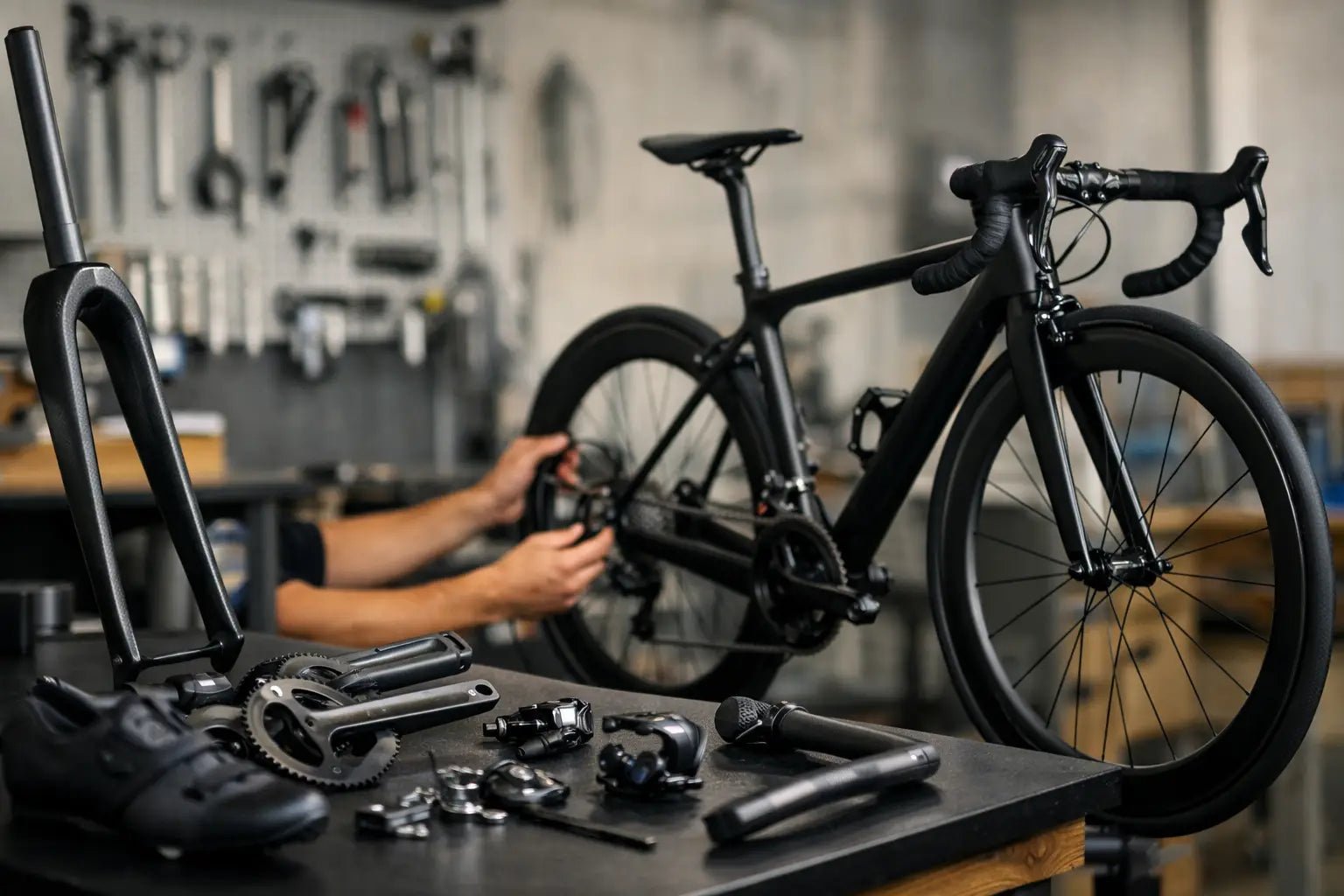
A direct-to-consumer bike should offer more than attractive specs. You want clear communication, meaningful setup support, and the ability to tailor the build to your priorities. That might mean wheel upgrades, gearing changes, cockpit adjustments, or guidance on the right tire setup from day one.
This is one reason riders choose specialist brands like Vega Cycling. The value is not only in the carbon platform itself, but in getting a bike configured around your goals rather than a warehouse default.
A Simple Way to Narrow the Field
If you are comparing several bikes, focus on five filters. First, confirm the fit and geometry suit your body and riding posture. Second, check tire clearance for both current and future use. Third, evaluate whether the frame is truly performance-oriented, not just adapted from another category. Fourth, choose gearing that supports your terrain. Fifth, make sure the brand can actually help you get the build right.
That process cuts through most marketing noise.
The best allroad bike is not the one with the longest feature list. It is the one that feels fast on your normal roads, confident when the surface deteriorates, and capable enough that you stop second-guessing the route. Buy for that feeling, and the bike will keep opening new roads long after the spec sheet stops mattering.