Artikel: Allroad Bike vs Gravel Bike: Which Fits?
Allroad Bike vs Gravel Bike: Which Fits?
A fast group ride on broken pavement, a long solo loop that turns onto farm roads, a weekend route with smooth tarmac and packed dirt - this is exactly where the allroad bike vs gravel bike question gets real. Both categories promise versatility, but they are not interchangeable. The right choice depends on where you want speed, where you will accept compromise, and how far off the paved route you actually plan to go.
For experienced riders, the difference is not marketing language. It shows up in geometry, tire clearance, frame design, gearing, and how the bike feels after four hours in the saddle. If your goal is one premium machine that can cover more ground with fewer limits, it pays to get precise.
Allroad bike vs gravel bike: the core difference
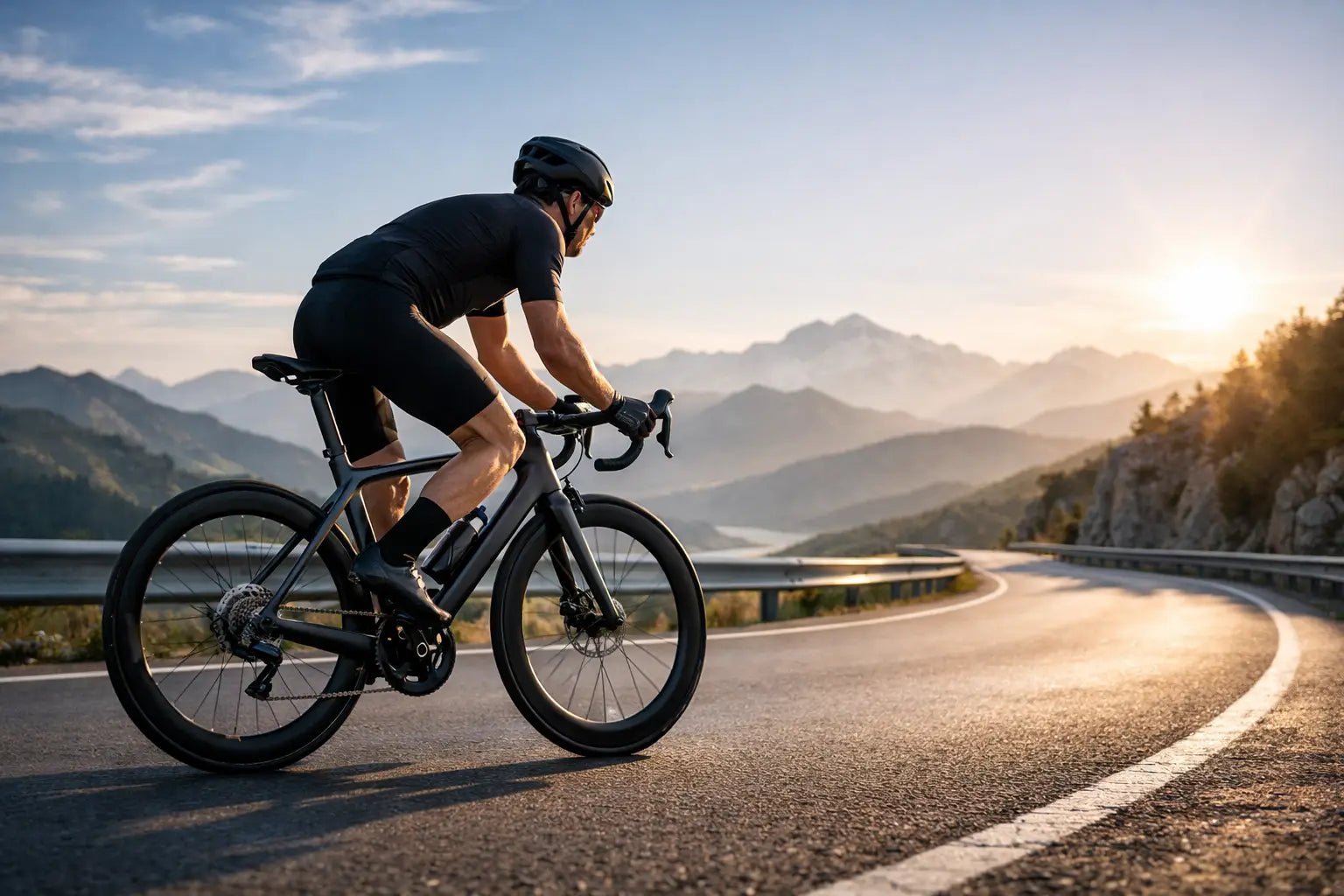
An allroad bike starts with road-bike intent. It is built to preserve efficiency, responsiveness, and pace on pavement while adding enough tire volume, stability, and utility for rough roads and light unpaved riding. Think cracked asphalt, chip seal, hardpack, and mixed-surface endurance routes.
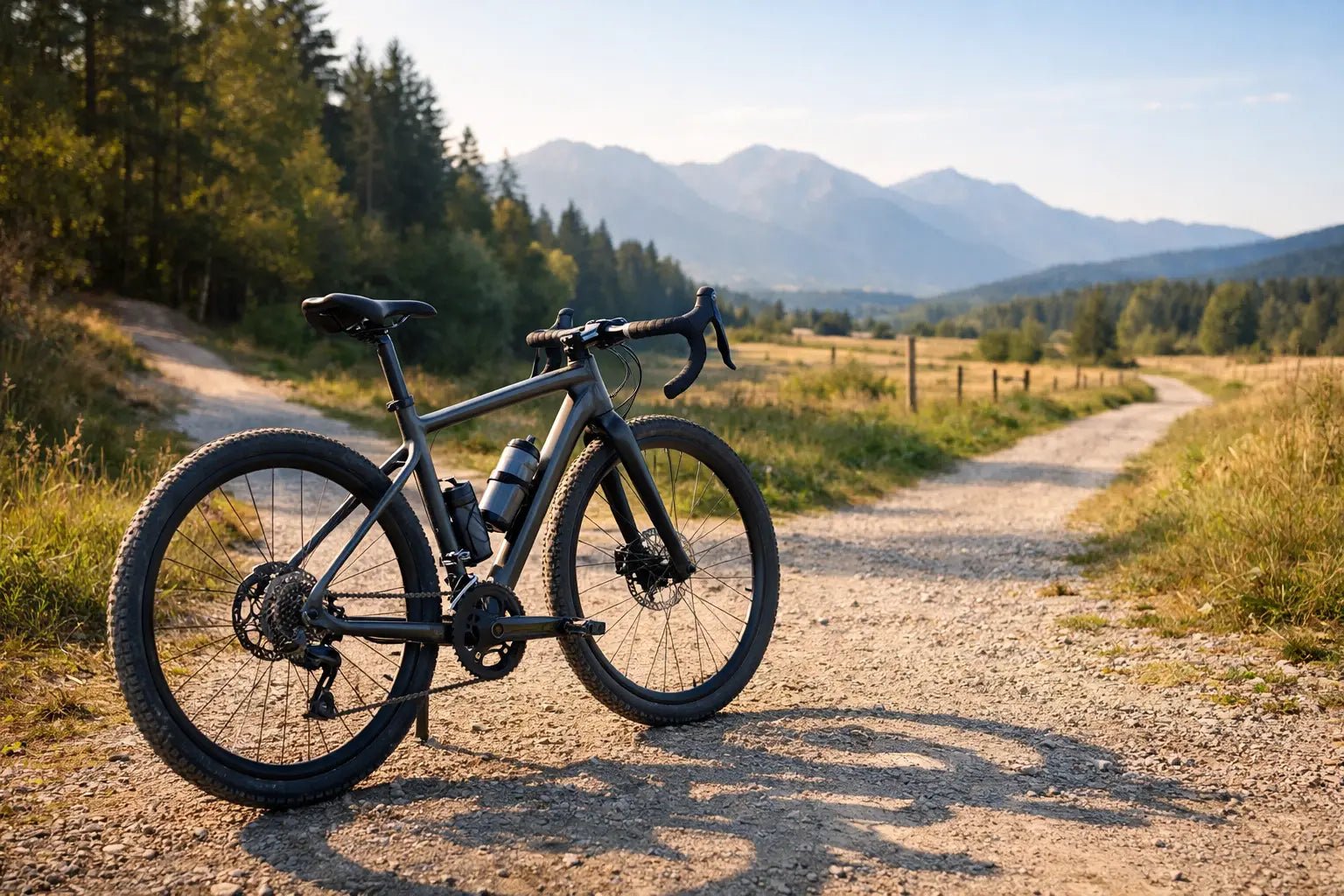
A gravel bike starts with off-pavement intent. It is designed to stay composed when surfaces get looser, rougher, and less predictable. That usually means more tire clearance, a longer wheelbase, slacker front-end geometry, and gearing that favors climbing traction over pure road speed.
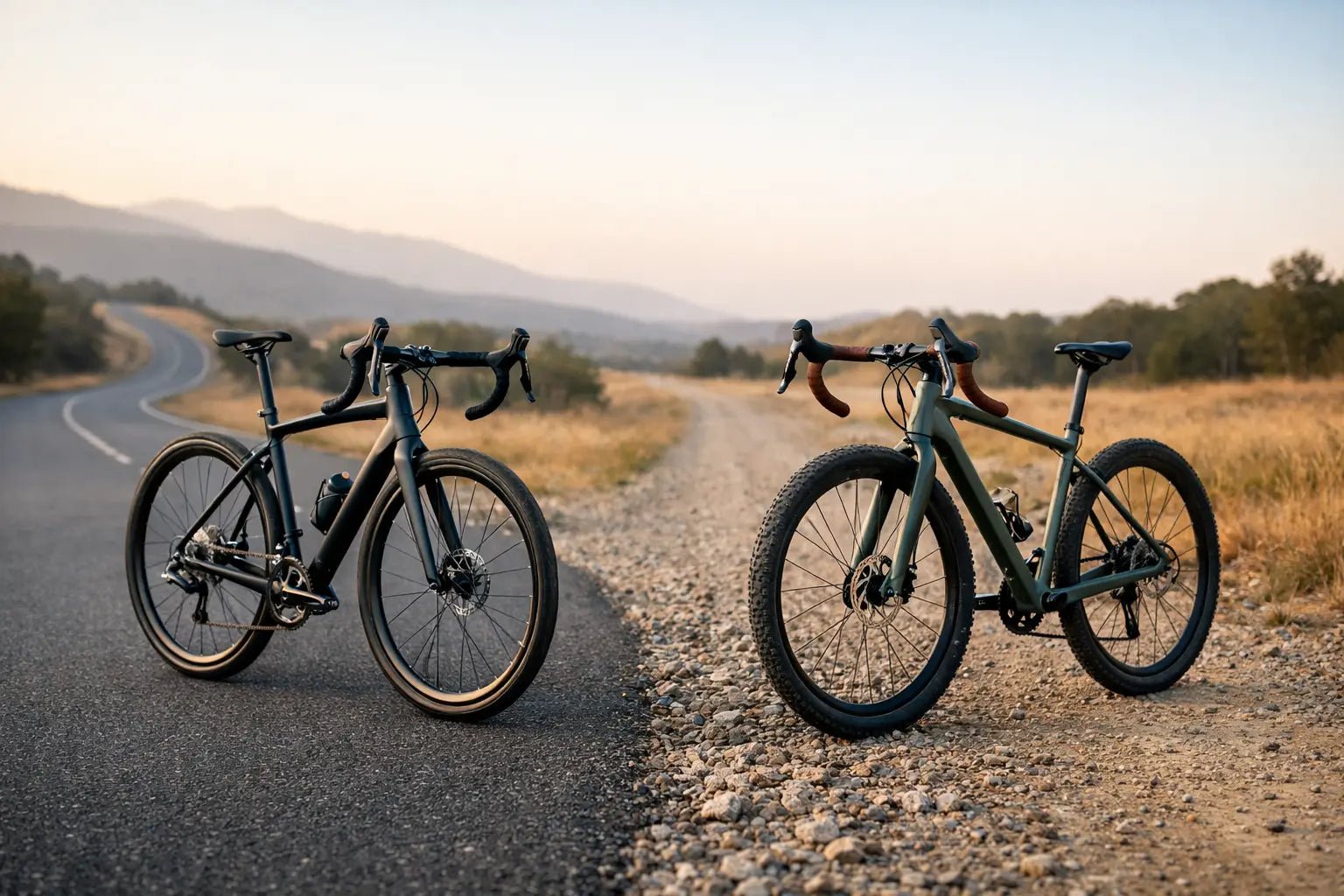
In simple terms, an allroad bike stretches road performance into mixed terrain. A gravel bike pulls adventure performance back toward the road.
That overlap is why many riders hesitate. On paper, both can run wider tires, both can handle long days, and both can be fitted for endurance use. On the road, though, the feel is different. One wants to carry speed. The other wants to carry confidence.
Where an allroad bike makes more sense
If most of your riding still happens on pavement, an allroad platform usually feels sharper and more rewarding. The position tends to be more road-oriented, steering more direct, and acceleration more immediate. You get a bike that responds when the pace rises but does not punish you when the route quality drops.
This matters more than many riders expect. A bike that is only slightly overbuilt for your terrain can feel dulled every time the road smooths out. If your weekly rides include fast endurance miles, rolling terrain, and the occasional detour onto gravel connectors or fire roads, an allroad setup often lands in the sweet spot.
Tire choice plays a major role here. Run a fast 32 mm to 38 mm tubeless tire and an allroad bike can feel quick, composed, and efficient across a wide range of surfaces. You get comfort, grip, and lower fatigue without giving away the road-bike character that makes long pavement miles satisfying.
This category is especially compelling for riders who want one premium carbon bike for endurance road riding with real versatility built in. Modern allroad frames can add practical features like extra bottle mounts, smart integration, and clearance for meaningful tire volume without looking or riding like a compromise.
When a gravel bike is the better tool
If your routes regularly include loose gravel, washboard, chunkier surfaces, steep dirt climbs, or remote backroad exploration, a gravel bike usually wins. The extra clearance and calmer geometry are not just comfort features. They are control features.
On rough terrain, that control preserves speed better than a twitchier bike ever will. A gravel bike lets you stay seated longer, maintain traction on climbs, and descend with more stability when the surface gets unpredictable. It also gives you more room to tune the ride with tires in the 40 mm to 50 mm range, depending on the frame.
That added capability comes with trade-offs. On smooth pavement, many gravel bikes feel less immediate under hard efforts. The handling can be slower, the tires louder, and the gearing easier to spin out if your rides include fast road sections or group pace lines. None of that makes the bike worse. It just means the design priorities are different.
For riders who see pavement mainly as a link between dirt sectors, the gravel bike is the honest choice.
Geometry, speed, and ride feel
The easiest way to understand these categories is to focus on what the geometry is trying to protect.
Allroad geometry protects road rhythm. You will typically see a position and frame balance that support efficient seated power, smoother transitions through corners, and a livelier response when you accelerate. Stability is still there, but it is stability shaped around speed on imperfect pavement.
Gravel geometry protects composure. The bike is more likely to feel planted when the front wheel meets washboard, loose stones, or ruts. That calmer front-end behavior reduces stress and improves control over distance, especially when fatigue builds.
Neither approach is automatically faster. On asphalt and smooth hardpack, an allroad bike often is. On rough gravel where confidence limits speed, the gravel bike can be significantly quicker because it lets you stay on the gas.
That is why the best choice depends less on labels and more on your real terrain. Not the route you imagine riding once a month - the route you ride most weeks.
Tire clearance is not a small detail
In the allroad bike vs gravel bike debate, tire clearance often decides the category before geometry does. Clearance defines how much grip, comfort, and off-road margin you can build into the bike.
Allroad bikes commonly sit in a range that supports performance-oriented road-plus tires. That gives enough volume to smooth rough surfaces, increase traction, and reduce rider fatigue while keeping rolling feel crisp. For many endurance riders, that is exactly enough.
Gravel bikes expand the ceiling. More clearance means more options for loose terrain, rougher descents, and bikepacking-style versatility. It also means freedom to adapt the bike to very different conditions throughout the year.
The catch is that more tire is not always better. Wider tires add confidence and comfort, but they also change steering feel, acceleration, and the overall character of the bike. If you rarely need true gravel-bike clearance, carrying that extra capacity every ride may not improve your experience.
Gearing, mounts, and how you actually use the bike
Category differences also show up in the details. Gravel bikes are more likely to use gearing that prioritizes steep off-road climbing and heavily loaded rides. Allroad bikes often keep a tighter connection to road gearing, especially for riders who care about maintaining pace on long paved sections.
Mounts matter too, but only if you will use them. Extra bottle mounts, top tube storage options, and utility-focused frame features can make a major difference for endurance riders and adventure-focused builds. On a premium allroad platform, those features are most valuable when they are integrated without sacrificing speed or frame refinement.
That balance is where high-end design stands apart. A well-engineered carbon allroad bike can feel fast and elegant while still supporting big days, mixed terrain, and practical ride needs. Vega Cycling approaches this category with exactly that mindset - preserving performance while expanding what the bike can handle.
How to choose without second-guessing
If 70 to 80 percent of your riding is paved, choose allroad unless your unpaved sections are consistently loose or technical. You will get a faster, cleaner ride experience where you spend most of your time.
If your best rides start when the pavement ends, choose gravel. The extra margin for rough surfaces will pay you back every time conditions get sketchy.
If you are split evenly between road and dirt, focus less on category names and more on your preferred riding style. Riders who value speed, sharp handling, and endurance-road efficiency usually lean allroad. Riders who value exploration, traction, and confidence on variable terrain usually lean gravel.
There is also a personality test hidden in this decision. Some riders want a bike that encourages them to push harder whenever the surface allows it. Others want a bike that makes the unknown route feel inviting. Both are high-performance answers. They are just aimed at different kinds of freedom.
The best bike is not the one that can do everything on paper. It is the one that feels right on your normal ride, your ambitious ride, and the ride you say yes to because the bike removes doubt. Choose the platform that matches how you actually chase distance, speed, and terrain, and the decision gets much easier.