Artikel: Carbon Frame vs Aluminum: What Wins?
Carbon Frame vs Aluminum: What Wins?
You feel the frame difference long before you see it on a spec sheet. On a fast climb, a rough chip-seal descent, or a six-hour mixed-surface ride, the carbon frame vs aluminum question stops being theoretical. It becomes about fatigue, precision, speed, and whether your bike still feels sharp when the route gets longer and the pavement ends.
For serious riders, this is not a simple better-or-worse decision. Aluminum remains a legitimate performance material. Carbon, though, gives engineers far more control over how a bike accelerates, corners, filters vibration, and carries speed. That is why aluminum still makes sense in many builds, while high-end road, gravel, and allroad bikes continue to move decisively toward carbon.
Carbon frame vs aluminum: the real difference
The biggest difference is not just weight. It is tunability.
An aluminum frame is made from metal tubes with ride characteristics shaped by tube diameter, wall thickness, frame geometry, and weld placement. A good aluminum bike can feel direct, lively, and efficient. It can also feel harsh if the design leans too far toward stiffness without enough compliance.
A carbon frame starts from a different engineering premise. Instead of relying only on tube shape and metal properties, engineers can tune stiffness and flex in highly specific areas by changing fiber type, layup orientation, and wall structure. That means one part of the frame can stay firm under power while another part is designed to reduce road buzz and absorb repeated impacts.
For the rider, that usually translates into a more refined ride. Not soft. Not vague. Refined. On a premium carbon platform, efficiency and comfort do not have to pull in opposite directions.
Weight matters, but not in the way many riders think
Carbon usually wins on weight, especially once you compare bikes at the performance end of the market. A lighter frame helps on steep climbing, repeated accelerations, and overall bike handling. It can also open room in the build for wider tires, more capability, or more durable components without pushing total system weight too high.
Still, riders often overestimate how much frame weight alone changes their speed. A few hundred grams matter, but they matter most when the rest of the bike is equally well considered. Wheels, tires, fit, geometry, and position often influence ride quality and real-world pace just as much.
Where carbon tends to justify itself is not only in being lighter, but in being lighter while also delivering high stiffness where it counts. That balance is difficult for aluminum to match at the same level.
Ride feel is where carbon usually pulls ahead
If your rides are short, smooth, and aggressive, aluminum can feel excellent. It responds quickly and often delivers a crisp, immediate sensation that many riders enjoy. In race-oriented builds, that directness can feel fast because it is fast.
But longer rides reveal the trade-off. On rough pavement, broken shoulders, gravel connectors, and endurance routes, aluminum often transmits more chatter into the rider. That extra vibration may seem manageable in the first hour. By hour four, it becomes part of your fatigue load.
This is where carbon earns its reputation. A well-engineered carbon frame can mute the high-frequency vibration that drains energy over distance without feeling disconnected from the road. That matters for endurance cyclists, gravel riders, and allroad riders who want one bike to stay composed across changing terrain.
The best carbon bikes do not just feel smoother. They preserve speed because the rider stays fresher and the bike remains calmer underneath hard efforts.
Stiffness is not the same as harshness
This is one of the most misunderstood parts of the comparison. Riders often assume aluminum is stiff and carbon is comfortable. The reality is more specific.
Both materials can be built stiff. Both can be built poorly. The difference is that carbon gives designers more freedom to place stiffness exactly where they want it. Around the bottom bracket and head tube, that can mean sharp power transfer and confident steering. In the seat stays or top tube, it can mean controlled compliance that takes the edge off rough surfaces.
With aluminum, achieving that same split personality is harder. You can get impressive stiffness and low weight, or improved comfort and forgiveness, but blending both at a premium level is more restrictive.
Durability depends on use, care, and frame quality
Durability conversations around carbon and aluminum are often simplified to the point of being misleading.
Aluminum has a reputation for being tough and worry-free. In many ownership scenarios, that is fair. It handles everyday use well, does not rust, and generally tolerates the kind of minor knocks that happen in transport, storage, and routine riding. If you want a bike that will see heavy urban use, trainer time, or rough handling, aluminum can be very practical.
Carbon has a reputation at both extremes - either fragile or nearly magical. Neither is accurate. A high-quality carbon frame is very strong in the directions it is designed to handle. It can deliver years of hard riding, including serious road and gravel use, when built properly and used as intended. But it also demands a little more respect. Crushing force, sharp impacts, or improper clamping can damage carbon in ways that are not always obvious at first glance.
That does not make carbon delicate. It makes it specific. Riders who invest in premium equipment usually understand that precision materials deserve precise care.
Crash damage and repairability
After a crash, aluminum often shows visible dents or bends. Carbon may show obvious damage, or it may not. That means inspection matters more.
The upside is that carbon can sometimes be repaired by specialists, depending on the location and severity of the damage. Aluminum repair is generally less common for performance frames because restoring structural integrity is more difficult and often not economical.
For riders thinking long term, the practical answer is this: aluminum may feel simpler day to day, but premium carbon is not automatically a short-life choice. Frame design, layup quality, manufacturing standards, and ownership habits matter far more than internet myths.
Price is still the clearest aluminum advantage
If budget is a primary constraint, aluminum remains compelling. You can get a capable, fast, enjoyable aluminum bike for significantly less than a comparable carbon model. That makes aluminum especially attractive for newer riders, second bikes, race bikes with lower emotional risk, or anyone prioritizing value over material prestige.
Carbon demands a higher investment because the design and manufacturing process are more complex. At the premium end, you are not paying only for lower weight. You are paying for frame shaping freedom, tuned ride quality, cleaner integration, and the kind of performance feel that becomes more obvious the harder and longer you ride.
That is why the right question is not whether carbon costs more. It does. The better question is whether your riding justifies the difference.
Carbon frame vs aluminum for road, gravel, and allroad riding
For pure road performance, carbon usually makes the stronger case. Riders chasing speed, climbing efficiency, precise handling, and reduced fatigue tend to benefit from what carbon does best. On longer road rides, especially on imperfect pavement, its ride quality becomes a real performance advantage.
For gravel and allroad, carbon becomes even more persuasive when the frame is designed correctly. Mixed terrain amplifies vibration, impacts, and rider fatigue. A premium carbon frame can combine wide tire clearance, stable geometry, cargo or bottle integration, and efficient power transfer without feeling overbuilt. That blend is hard to ignore if your riding spans tarmac, hardpack, broken backroads, and long adventure days.
Aluminum still works well in gravel, especially for riders entering the category or building a more cost-conscious setup. But as distance, technical terrain, and expectations rise, carbon tends to separate itself.
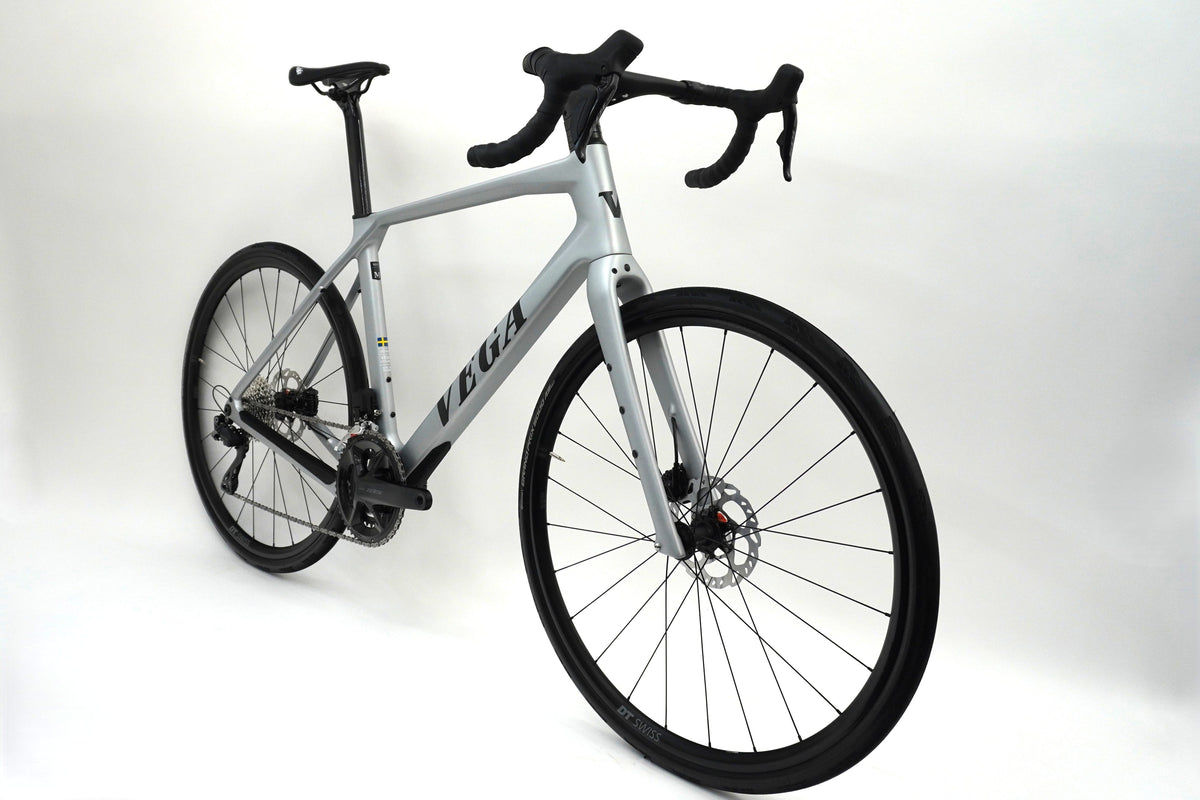
A modern allroad platform shows why. The best examples pair low frame weight with endurance-minded compliance, confident handling, and the utility features serious riders actually need. That combination is exactly where premium carbon design shines, and it is why brands like Vega Cycling build around carbon for riders who want speed without sacrificing range or versatility.
Who should choose aluminum
Aluminum is the smart choice if you want strong value, straightforward ownership, and solid performance without stretching into premium pricing. It also makes sense if you ride shorter distances, train in harsh conditions, travel with your bike frequently, or simply prefer a lower-cost platform with fewer concerns around cosmetic damage.
A well-designed aluminum bike is not a compromise for every rider. It is often the right answer for practical, high-mileage use.
Who should choose carbon
Carbon is the better choice if you care about ride refinement as much as raw speed. If your rides are long, your terrain varies, and you want one frame to feel fast, efficient, and composed across more conditions, carbon usually delivers the higher ceiling.
It also makes sense for riders investing in a dream build. Once you start valuing handling precision, fatigue reduction, frame integration, and premium finish quality, carbon stops feeling like a luxury upgrade and starts feeling like the correct foundation.
The best bike is not the one built from the most fashionable material. It is the one that matches how hard you ride, how far you go, and how exacting you are about feel. If you want a frame that turns performance, comfort, and versatility into one coherent ride, carbon is very often where that search ends.