Artikel: Choosing a Carbon Bike for Mixed Terrain
Choosing a Carbon Bike for Mixed Terrain
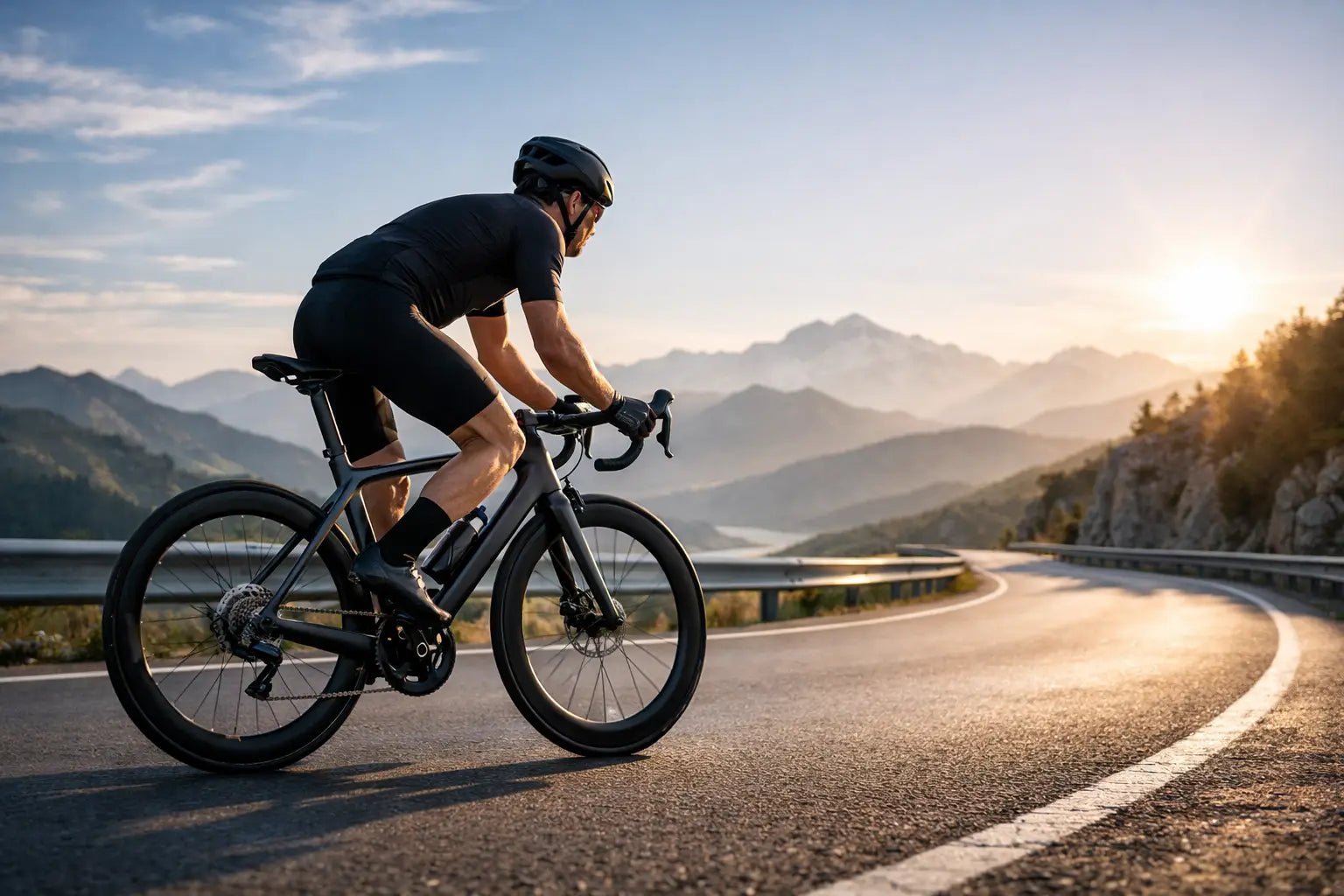
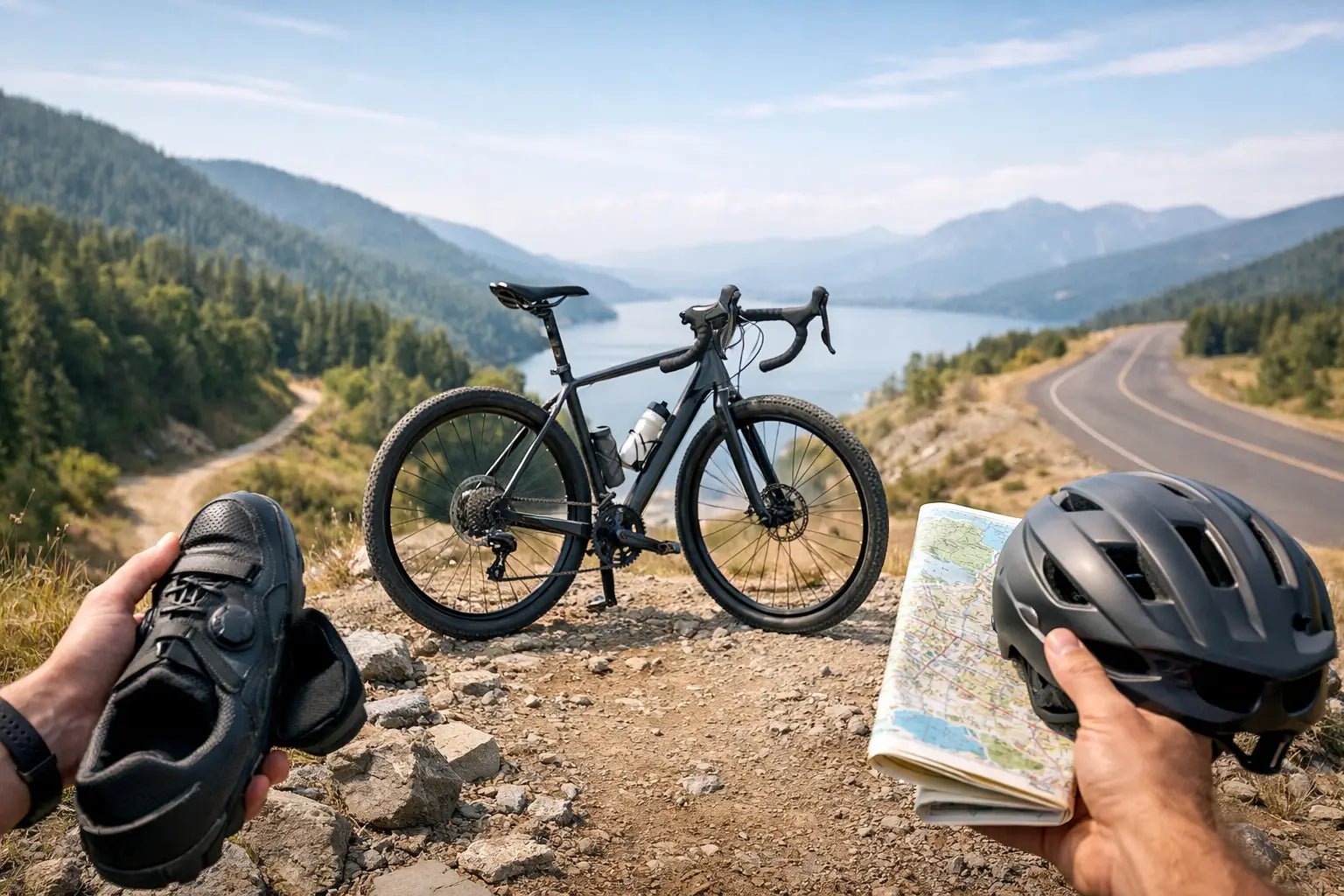
The wrong bike shows up fast when pavement turns broken, the shoulder turns to gravel, and the route keeps going anyway. A carbon bike for mixed terrain has to do more than survive that shift. It needs to stay quick on smooth tarmac, composed on loose surfaces, and efficient deep into long miles.
That combination is why this category matters. Riders are asking one bike to cover fast solo road days, rough backroads, hardpack dirt, and all-day endurance rides without feeling overbuilt or compromised. The answer is not simply “gravel” or “road.” It is a carefully engineered carbon platform built around speed, stability, and usable versatility.
What a carbon bike for mixed terrain actually needs
A mixed-terrain bike succeeds or fails on balance. If the frame is too aggressive and narrow in its tire capacity, it will feel sharp on clean pavement but nervous the moment the surface breaks up. If it leans too far toward off-road capability, it may feel slower and less responsive than many riders want for long road efforts.
Carbon matters here because it gives engineers more control over that balance. Frame shapes, wall thickness, and layup schedules can be tuned for stiffness in the right places and compliance where the rider feels it most. That means a quality carbon frame can accelerate with intent while reducing the fatigue that builds over rough pavement, chip seal, washboard sections, and unmaintained roads.
This is also where premium carbon separates itself from generic “do-it-all” claims. Not every carbon frame is designed to carry speed across changing surfaces. The best ones are built around real mixed-surface demands - predictable handling, modern tire clearance, and endurance geometry that keeps the rider efficient for hours rather than minutes.
Frame design matters more than frame material alone
Carbon gets attention, but geometry decides how the bike behaves. For mixed terrain, the ideal setup usually sits between a pure road race bike and a full gravel machine.
A slightly longer wheelbase improves stability when surfaces loosen up. A front end that is not overly twitchy helps the bike track cleanly on fast descents and rough corners. Bottom bracket height, head angle, and fork trail all influence confidence, especially when the route includes both smooth speed and unpredictable texture.
That does not mean every rider needs the same fit. If your routes are 80 percent road with occasional dirt connectors, you may want a more responsive feel and tighter overall position. If your riding leans toward all-day adventure and rough county roads, a touch more stack and composure can be the better choice. The best carbon bike for mixed terrain is not the one with the broadest marketing claim. It is the one whose geometry matches how and where you actually ride.
Why tire clearance changes everything
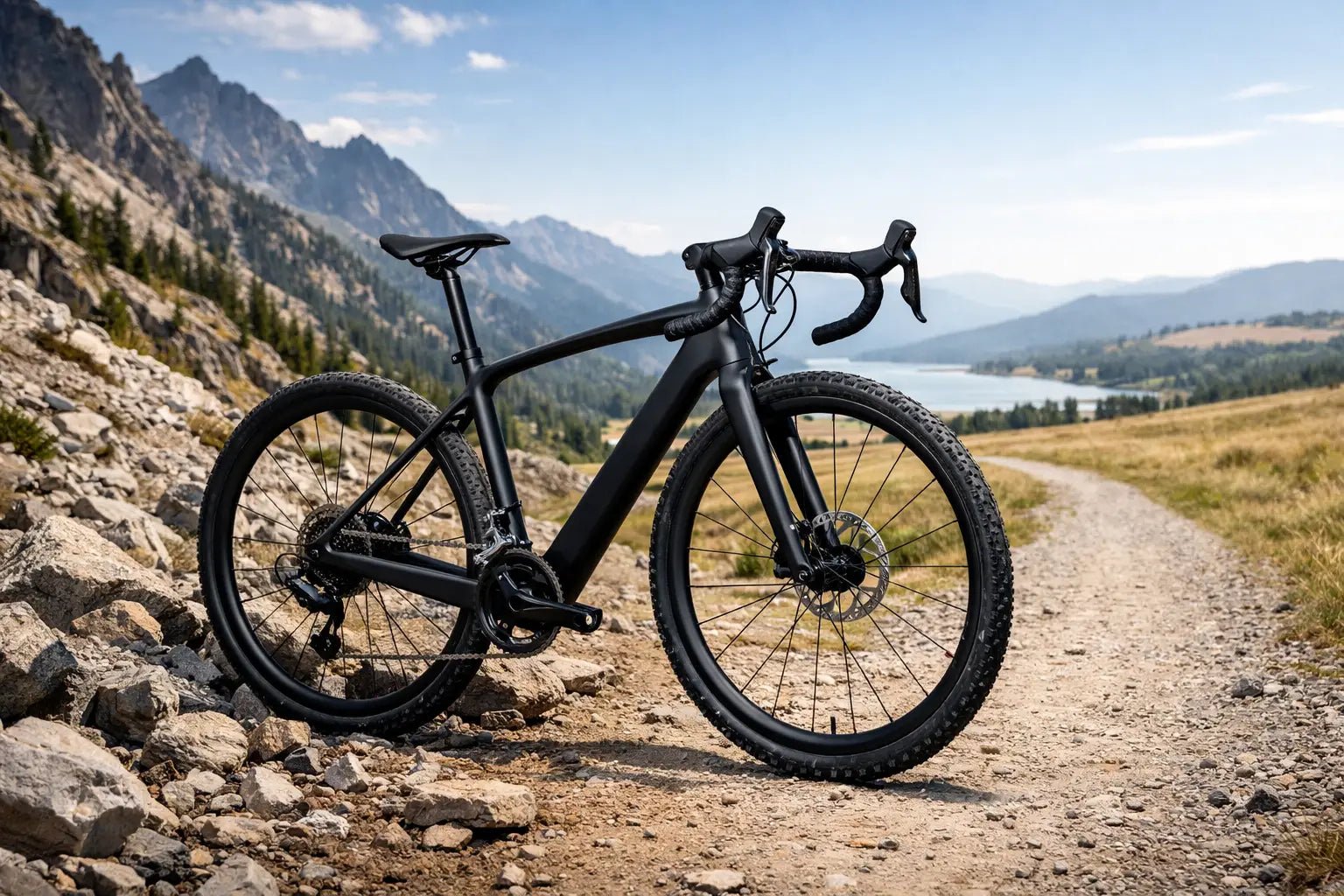
Tire clearance is one of the clearest signs that a bike is genuinely mixed-terrain capable. It affects comfort, traction, control, and even speed more than many riders expect.
Wider tires let you run lower pressure, which smooths rough surfaces and improves grip. On broken pavement and compact gravel, that often makes the bike faster in the real world, not slower. A frame that only clears narrow road tires may feel quick in perfect conditions, but it limits your setup as soon as your routes get rougher.
For many riders, the sweet spot is enough room for fast allroad tires that roll efficiently on pavement but still provide confidence on dirt and gravel. More clearance expands your options. It does add a design challenge, though. A bike can offer generous clearance and still feel sharp, but only if the frame and fork are engineered with that goal from the start.
Comfort is performance over distance
Mixed terrain exposes harshness. Small impacts repeat for hours, and what feels acceptable in the first 20 miles can become draining by mile 70. That is why comfort on a carbon bike is not a soft feature. It is a speed feature.
A well-designed carbon frame filters high-frequency chatter without feeling dull under power. Paired with the right cockpit, seatpost, and tubeless tire setup, it helps maintain momentum and rider freshness over long rides. Less fatigue means better control, steadier pacing, and more confidence when the route gets technical late in the day.
There is a trade-off here. An ultra-stiff bike can feel exciting during short hard efforts, but on mixed terrain it may leave the rider doing too much of the suspension work. On the other hand, a bike that leans too far into compliance can lose some of the precision and urgency performance riders expect. The right answer is controlled compliance, not flex for its own sake.
The build can make or break the ride
A carbon frame sets the foundation, but the build determines how that potential reaches the road and trail. For mixed terrain, smart component choices matter.
Drivetrain range is one of the first decisions. Riders who live on rolling pavement and smoother gravel may prefer tighter gearing and closer ratios for pace control. Riders tackling steep dirt sectors, loaded endurance rides, or rougher routes often benefit from a wider gear range. Neither is universally better. It depends on whether your priority is road speed, climbing security, or broad route flexibility.
Wheel choice is just as important. Lightweight carbon wheels can sharpen acceleration and improve ride feel, but internal width and durability matter as much as total grams. A wheelset designed around modern tubeless tires gives the bike a wider operating range, especially when conditions shift from fast pavement to washboard or loose stone.
Then there are the practical details serious riders increasingly expect: extra bottle cage mounts for long days, clean integration, and in some cases dynamo routing for ultra-distance or adventure use. These features do not turn a bike into something slower or less premium. When executed properly, they expand what the bike can do without compromising its core performance identity.
Carbon bike for mixed terrain vs separate road and gravel bikes
For some riders, two bikes still make sense. A dedicated road bike will usually feel lighter and more immediate on pristine pavement. A dedicated gravel bike may offer more tire volume and off-road confidence for rougher routes.
But many riders are not choosing between idealized extremes. They are choosing what gets ridden most often. A premium carbon bike for mixed terrain can cover an unusually wide performance window, which is exactly why this category has become so compelling. It handles long road miles with purpose, opens up rougher routes without hesitation, and reduces the friction of owning two highly specialized machines.
The compromise is real, but it is often a smart one. If your riding naturally blends surfaces, a well-executed allroad platform can feel less like a compromise and more like the most honest tool for the job.
How to choose the right carbon bike for mixed terrain
Start with your terrain split, not marketing labels. Ask yourself what percentage of your time is spent on clean pavement, rough pavement, hardpack dirt, chunky gravel, or longer adventure rides. That answer should guide tire clearance, gearing, and geometry.
Next, think about your riding style. Some riders want a fast, responsive bike that happens to tolerate rough surfaces. Others want a stable endurance machine that still carries speed on the road. Both are valid, but they are not the same bike.
Fit should stay at the center of the conversation. A premium frame with the wrong stack, reach, or front-end setup will never deliver on its promise. This is one reason direct consultation matters at the high end. Riders investing in carbon are not just buying material. They are buying a platform that should match their body, terrain, and goals from day one.
If customization is available, use it. The ability to shape a dream build around your riding is not a luxury add-on. In this category, it is often the difference between a bike that is merely versatile and one that feels purpose-built. Brands like Vega Cycling understand that premium ownership starts before the bike ships, with clear guidance on fit, specification, and intended use.
Where this category is headed
The line between road, allroad, and gravel is not disappearing, but it is becoming more intelligently defined. Riders want fewer limitations and more usable speed. That is pushing carbon bike design toward broader tire clearance, cleaner integration, and frames that remain fast without being fragile or overly specialized.
That is good news for experienced cyclists who know their rides are rarely one-dimensional. The future is not a bike that tries to be everything. It is a bike engineered to do the riding people actually do - fast pavement, rough roads, dirt connectors, long hours, and changing conditions.
Choose the platform that matches that reality, and your route options expand immediately.