Best Bikes for Long Rides: What to Choose
The wrong bike usually reveals itself around hour three. Your hands go numb, your lower back starts talking, and every rough patch feels sharper than it should. That is why choosing the best bikes for long rides is less about hype and more about how a bike manages fatigue, efficiency, and control over real distance.
For experienced riders, the answer is rarely one-size-fits-all. A fast road bike can feel outstanding on smooth pavement and punishing everywhere else. A gravel bike can open up bigger routes and carry more comfort, but some builds give away too much speed for riders who spend most of their time on tarmac. The right choice depends on where your long rides actually happen, how aggressive your position is, and what kind of performance you expect after the first 50 miles.
What makes the best bikes for long rides
A long-ride bike has one job: keep you efficient without beating you up. That starts with fit and geometry. Endurance-focused geometry usually gives you a slightly taller front end and a bit more stability than a pure race bike. You are still in a performance position, just not one that demands constant flexibility and core tension for five or six hours.
Frame material matters, but less than many riders think. High-quality carbon remains the premium choice because it can be tuned for stiffness where you want power transfer and compliance where you want comfort. A well-engineered carbon frame feels precise under load and calmer on rough roads. That balance matters more on long rides than raw frame weight alone.
Tire clearance is another major factor. Wider tires at lower pressures reduce fatigue, improve grip, and make imperfect pavement far less punishing. For many endurance riders, this is the real dividing line between a bike that looks fast on paper and one that still feels fast late in the ride.
Gearing also deserves more attention than it usually gets. Long rides often mean changing terrain, tired legs, and unpredictable wind. A bike with practical gearing lets you stay smooth and seated on climbs instead of grinding through them. That is not a comfort luxury. It is a performance advantage.
Best bikes for long rides by category
Endurance road bikes
For riders who spend nearly all their time on pavement, an endurance road bike is often the cleanest answer. This category is built for distance at speed. You get road-bike efficiency, sharper handling than most gravel platforms, and geometry that supports longer efforts without the stretched, race-only posture of a pure aero machine.
The best endurance road bikes combine a lightweight carbon frame, room for at least 32mm tires, stable handling, and sensible gearing. That package covers the needs of most century riders, gran fondo riders, and fast recreational cyclists. If your long rides are mostly smooth or moderately rough asphalt, this category gives you the strongest speed-to-comfort ratio.
The trade-off is versatility. If your routes regularly include broken backroads, chipseal, or hard-packed dirt connectors, a traditional endurance road bike may start to feel limited depending on tire clearance and overall build.
Allroad bikes
This is where many serious riders now find the sweet spot. An allroad bike sits between endurance road and gravel. It keeps a performance feel on the road, but adds more tire clearance, more control on poor surfaces, and more freedom in route planning.
For long rides, that versatility is hard to overstate. Roads are not always smooth. Scenic routes often include patched pavement, debris, or sections that would feel harsh on a tighter road setup. An allroad bike lets you maintain speed while reducing the physical cost of rough terrain. It also gives you access to mixed-surface routes without forcing the slower, more upright character of some gravel bikes.
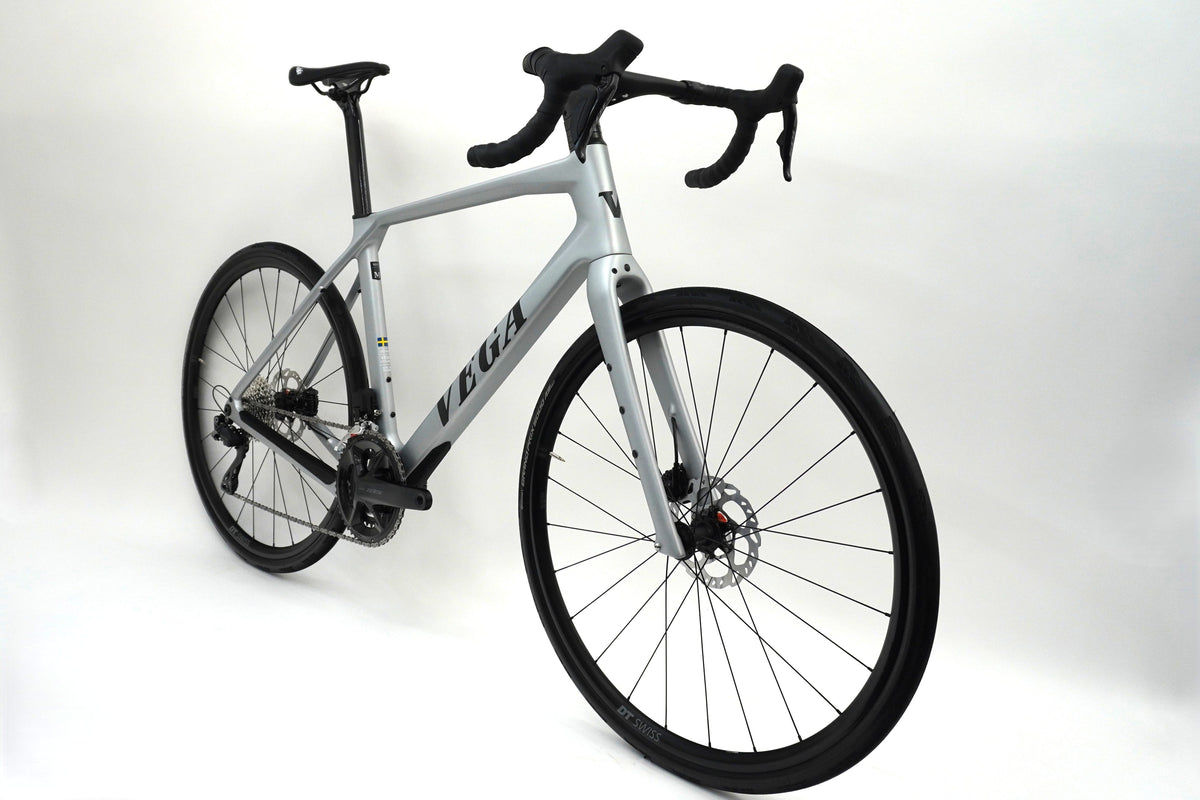
A well-executed carbon allroad platform is one of the strongest choices for riders who want one premium bike to do almost everything. Models with multiple bottle cage mounts, wide tubeless-ready tire clearance, and stable but responsive geometry are especially compelling for bigger endurance days. This is exactly why bikes like Vega Cycling's Ylva appeal to riders who want speed, range, and real-world versatility in one high-performance package.
Gravel bikes
If your definition of a long ride includes dirt roads, loose surfaces, and remote routes, a gravel bike becomes the obvious choice. The best gravel bikes for distance offer excellent tire volume, composed handling, and the ability to stay controlled when the route gets unpredictable.
For pure endurance comfort, gravel bikes are outstanding. Larger tires smooth chatter, reduce hand fatigue, and create confidence on rough descents. Extra frame mounts also make hydration and light gear management easier on long adventure rides.
The trade-off is that not every gravel bike feels lively on the road. Some are built more for stability and load carrying than speed. If 80 percent of your mileage is on pavement, a gravel bike can feel like more bike than you need unless the frame is designed with a sharper, more performance-led character.
Aero road bikes
Aero bikes can absolutely handle long rides, but they are a more specific choice. If you are a strong rider focused on pace, group rides, or fast solo miles on good roads, an aero bike may still be the right tool. Modern aero frames are more compliant than they used to be, and many now accept wider tires than older race bikes ever did.
Still, this category asks more from the rider. The position is usually lower, the handling quicker, and the emphasis more clearly on speed than comfort. For some riders, that feels efficient and exciting across any distance. For others, it becomes costly once the ride gets truly long.
How to choose the right long-ride bike
Start with surfaces, not marketing categories. If your longest rides are almost entirely paved, an endurance road bike should be your baseline. If your routes regularly mix pavement with rough shoulders, farm roads, or gravel sectors, allroad makes more sense. If the ride itself is defined by unpaved terrain, choose gravel.
Then look at tire clearance honestly. Many riders underestimate how much long-distance comfort comes from tire volume. A bike that clears 35mm to 45mm tires gives you far more flexibility than one limited to narrow road rubber. Even if you mostly run something faster and lighter, the option matters.
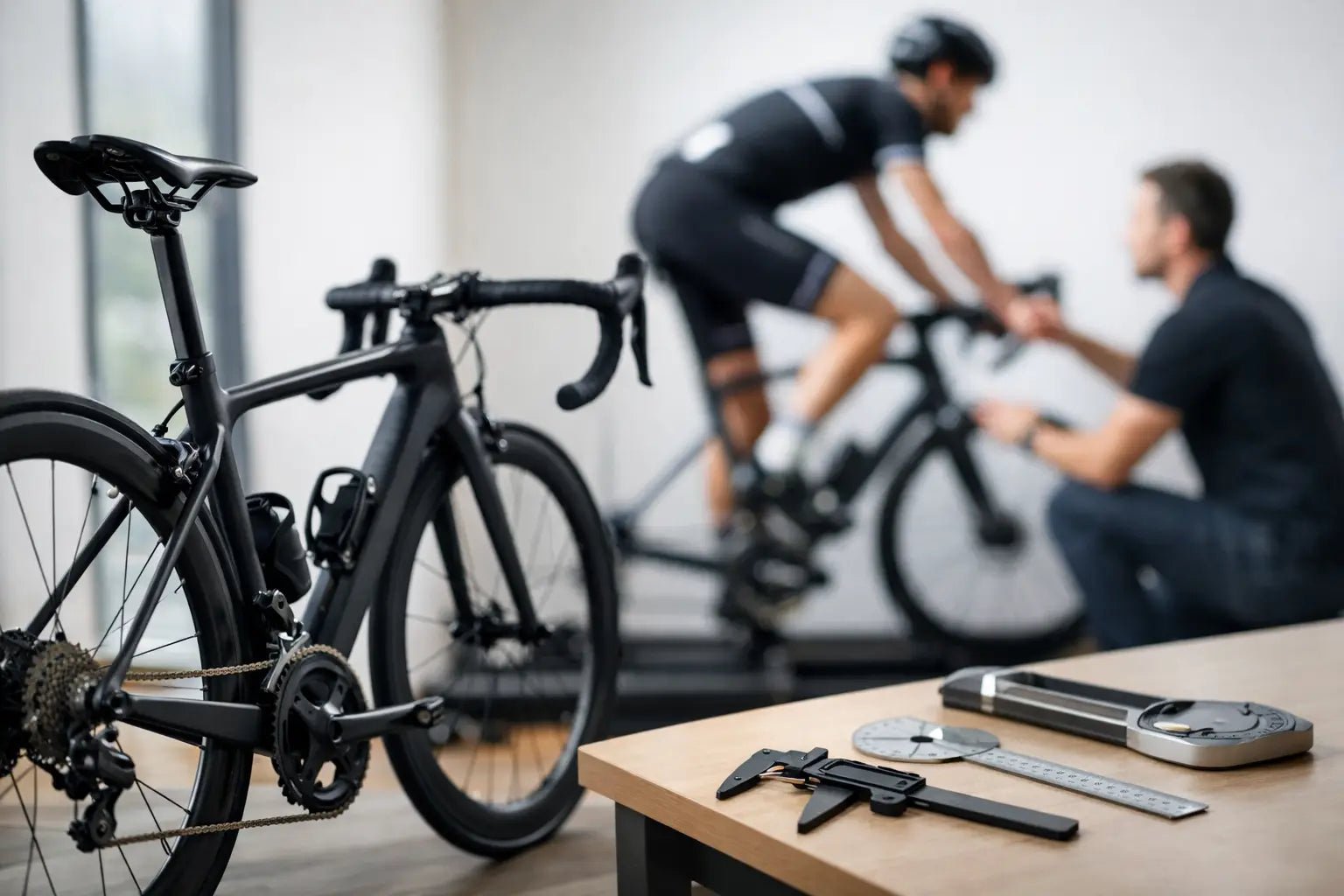
Fit should be treated as a performance feature. A premium frame with elite components will not compensate for a position that overloads your neck, shoulders, or hips. Reach, stack, bar width, crank length, and saddle setup all shape how fresh you feel after several hours. Riders investing at the high end should expect support here, not guesswork.
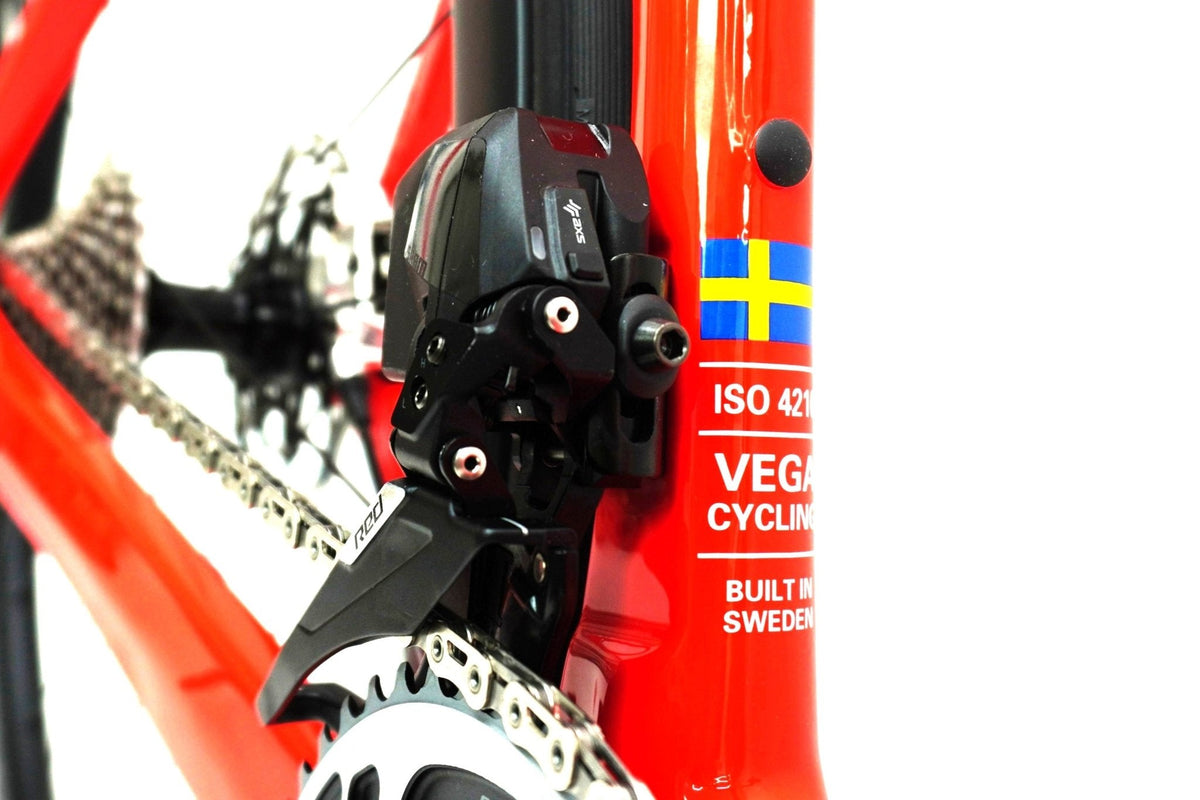
Component choices matter too, especially on a direct-to-consumer build. Electronic shifting adds precision and consistency over long mileage. Carbon wheels can improve responsiveness, but only if they are paired with a tire setup that matches your roads. Gearing should reflect your real climbing and fatigue patterns, not your ego.
Features worth paying for on a premium bike
Not every upgrade improves long-ride performance. Some do.
A premium carbon frame is worth it when the engineering is obvious in the ride feel - efficient under power, stable at speed, and composed over rough surfaces. Tubeless-ready wheels are also a smart investment because they let you run lower pressures with fewer flats and better comfort.
Thoughtful integration matters if it serves the ride. Clean cable routing, endurance-focused cockpit choices, and practical frame mounts all improve the ownership experience when they are done without compromising serviceability. Riders planning all-day efforts or remote routes should also value details like extra bottle mounts and dynamo compatibility more than flashy paint alone.
Customization can be just as valuable as hardware. Long rides expose poor equipment decisions quickly. Being able to choose the right wheel depth, gearing range, tire width, and contact points before the bike ships is not a boutique extra. It is part of getting the bike right.
The most common mistake when buying a long-ride bike
Too many riders buy for the first 10 miles. They choose the lightest, sharpest, most race-coded option because it feels exciting in a short test ride or looks fast in a product photo. Then they spend the next several seasons trying to soften it with tires, stems, spacers, and saddle changes.
The better approach is to buy for the last hour of the ride. That does not mean buying something dull or slow. It means choosing a bike that preserves your output, your comfort, and your confidence when fatigue is real. In premium categories, the best bikes do not force you to choose between speed and distance. They are engineered to hold both.
If you want one clear benchmark, look for a high-performance carbon bike with endurance-minded geometry, practical tire clearance, stable handling, and a build that matches your actual terrain. That is the formula that keeps showing up because it works.
The best long-ride bike is the one that makes you plan the next big day before you have even finished the current one.