Artikel: Choosing a Premium Carbon Gravel Bike
Choosing a Premium Carbon Gravel Bike
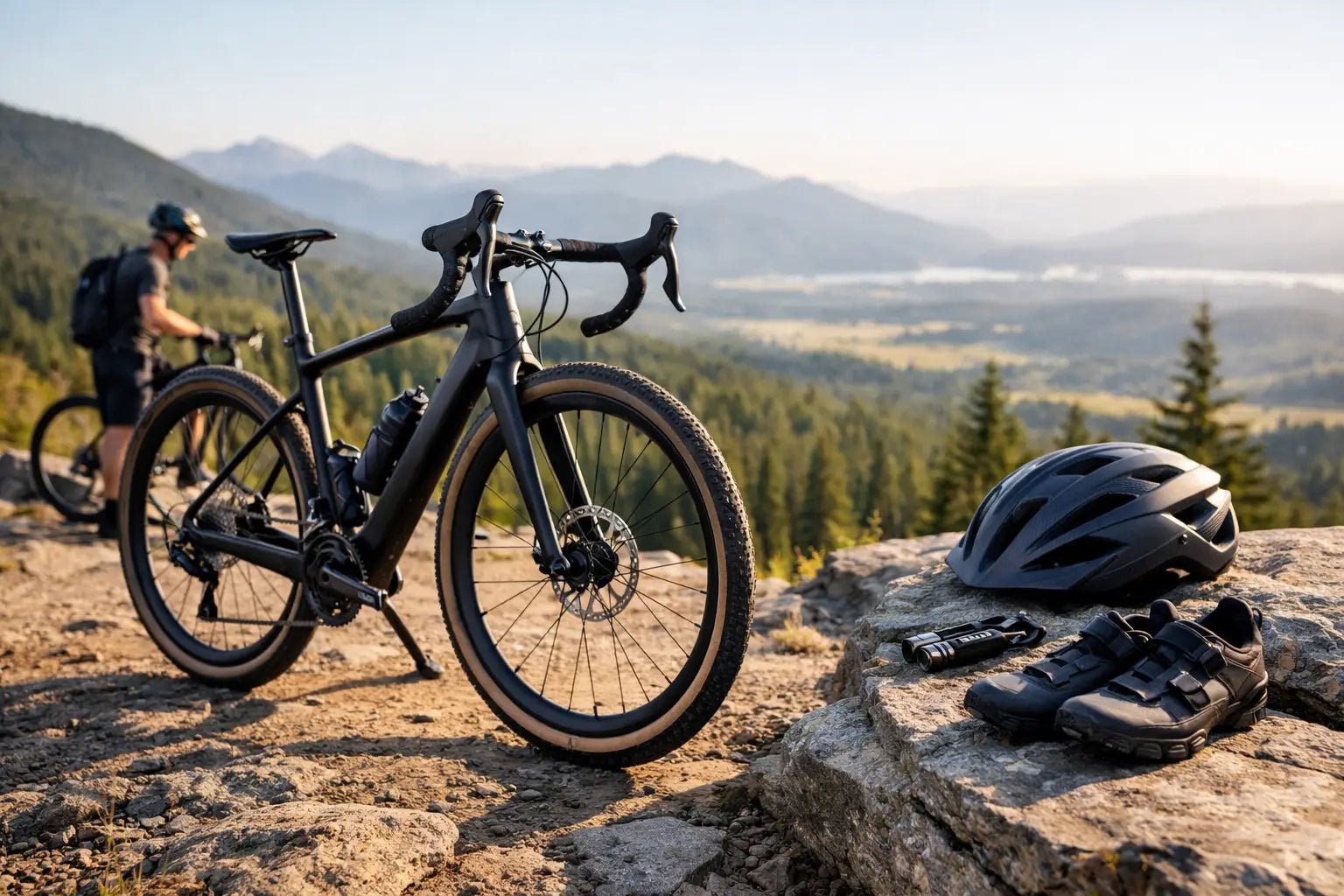
A premium carbon gravel bike earns its place long before the first ride. You feel it in how quickly it responds on pavement, how calmly it tracks on loose fire roads, and how little energy it wastes over five or six hours in the saddle. At this level, the question is not simply whether a bike is light or expensive. It is whether the frame, geometry, tire clearance, integration, and build quality work together with real purpose.
What sets a premium carbon gravel bike apart
The difference starts with the frame, but it does not end there. High-end carbon gravel platforms are designed around ride quality as much as stiffness. A good frame should accelerate cleanly under power, stay composed on rough surfaces, and avoid the harsh, nervous feel that can ruin long mixed-terrain days.
That balance comes from more than carbon alone. Layup design, tube shaping, and frame architecture all matter. Premium construction allows engineers to tune stiffness in key zones like the bottom bracket and head tube while preserving compliance through the seat stays, seatpost area, and fork. Done well, the bike feels fast without feeling brittle.
The second separator is refinement. Clean cable integration, reliable routing, room for modern tire widths, and practical mounting points are not flashy on a spec sheet, but they matter every time you ride. A true premium bike is built for performance you can actually use, not just numbers you can quote.
Premium carbon gravel bike geometry: speed without punishment
Geometry is where many riders get the decision right or wrong. A bike can have elite carbon construction and still feel off if the fit and handling do not match the riding you actually do.
For many experienced riders, the ideal gravel geometry sits between road urgency and off-road stability. You want steering that remains precise on fast descents and pavement transitions, but not so sharp that the bike becomes twitchy on washboard or chunky gravel. A longer wheelbase and balanced front-end trail usually improve confidence, especially on bigger tires.
At the same time, endurance comfort matters. A slightly taller stack can reduce strain on the back, neck, and shoulders over long rides. That does not mean slow handling. It means the bike supports sustainable speed. For riders moving between road, allroad, and gravel routes, this middle ground is often where the best premium frames stand out.
If your riding includes more racing and hard efforts, you may prefer a lower, more aggressive front end. If your routes are longer, rougher, or more exploratory, a touch more stability and upright fit can be the better choice. This is one of those areas where it depends on the rider more than the marketing.
Tire clearance changes everything
Tire clearance has become one of the defining features of a modern gravel platform. It is also one of the easiest details to underestimate.
A frame with generous clearance gives you room to tune the bike for the day. Run a faster, narrower tire for mixed pavement and hardpack. Step up in width for rougher surfaces, lower pressures, and more control. That flexibility expands the bike’s range far more than many component upgrades ever will.
For most premium gravel bikes, wide tubeless-ready compatibility is now expected. The advantage is not only traction. Larger-volume tubeless tires improve comfort, reduce fatigue, and help the bike maintain speed on imperfect surfaces. Instead of fighting every ripple and rock, the bike carries momentum more efficiently.
There is a trade-off. Extra clearance can influence frame design, chainstay shape, and overall feel. A bike built around very large tires may lose some of the sharpness road-focused riders want. The best designs manage both, keeping the frame lively while still leaving room for real off-road capability.
The build matters as much as the frame
A premium frame deserves a build that complements it. This is where many buyers should look beyond headline components and think about the complete ride system.
Drivetrain choice depends on terrain and riding style. A 1x setup offers simplicity, chain security, and a clean look that many gravel riders prefer. A 2x setup gives tighter gear steps and a broader cadence range that can be excellent for riders who spend serious time on the road or in rolling terrain. Neither is automatically better. The right answer depends on whether you value simplicity or cadence precision more.
Wheelset quality is just as critical. Strong, responsive carbon wheels can transform acceleration and handling, but only if they are matched to the intended use. A shallow, lightweight wheel may feel brilliant on smoother routes. A more robust wheel with smart internal width may deliver better real-world performance across mixed surfaces.
Then there is the cockpit and contact points. Handlebar flare, saddle shape, crank length, and stem choice all influence comfort and control. On a high-end bike, these details should not feel like afterthoughts. They are part of the performance equation.
Integration, utility, and real adventure readiness
A premium carbon gravel bike should be elegant, but it should also be useful. Modern riders expect more than race-bike minimalism. They want a machine that can cover distance, support bigger days, and adapt to changing conditions.
That means thoughtful frame features matter. Multiple bottle cage mounts allow better hydration setup for endurance rides. Internal routing for dynamo systems appeals to riders planning remote or self-supported adventures. Cleanly integrated storage options, fender compatibility, and secure axle and brake standards all add value where it counts - on the road and trail, not just in the showroom.
The strongest premium platforms do not treat utility as a compromise. They fold it into the design language. The result is a bike that still looks fast and feels precise while quietly expanding what kind of riding is possible.
Why direct support can improve the buying experience
At this price point, riders are not only buying carbon and components. They are buying confidence in the decision.
That is why brand support matters. A premium bike purchase often involves questions about fit, gearing, tire size, intended terrain, and future upgrades. Riders should expect knowledgeable guidance before they commit, not generic sales copy. They should also expect clear communication after the order, reliable shipping, and support that reflects the value of the product.
This is where a boutique direct-to-consumer model can make a real difference. When done well, it gives riders access to higher-spec platforms, more personalized build input, and a more focused ownership experience. Vega Cycling, for example, positions that experience around dream-bike support and performance-led customization rather than mass-market volume.
How to know if you are ready for a premium carbon gravel bike
Not every rider needs one. That is the honest answer.
If most of your riding is occasional, short, and relatively smooth, a mid-range gravel bike may already deliver everything you need. But if you ride often, care about handling nuance, spend long hours in the saddle, or want one bike that can cover road speed, endurance comfort, and real gravel capability, the value proposition changes quickly.
A premium carbon bike tends to make the most sense for riders who can feel the difference in efficiency, front-end composure, and fatigue reduction over time. It also suits riders who want fewer compromises in fit, finish, and long-term platform quality.
The smartest buyers usually ask a simple question: will this bike expand how I ride, or just upgrade what I already have? If the answer is expansion - more distance, more terrain, more confidence, more performance - the investment becomes easier to justify.
What to look for before you buy
Start with fit and geometry. If those are wrong, the rest is decoration. Then evaluate tire clearance, frame refinement, and whether the build supports the riding you actually do rather than the riding that sounds impressive online.
Look closely at the details that shape ownership. Is the frame designed for modern standards? Is there enough versatility for your routes? Can the brand help tailor the build to your priorities? Premium should mean more than premium pricing.
Most of all, choose the bike that feels coherent. The best premium gravel bikes are not random collections of expensive parts. They are complete systems with a clear point of view - fast, stable, comfortable, and ready for longer days on more varied terrain.
A great bike should make you want to go farther than planned, then leave enough in your legs to do it again next weekend.